
A bathroom renovation is one of the most valuable home improvement projects you can undertake. A well-planned upgrade can improve comfort, increase property value, and transform an outdated bathroom into a modern and functional space. 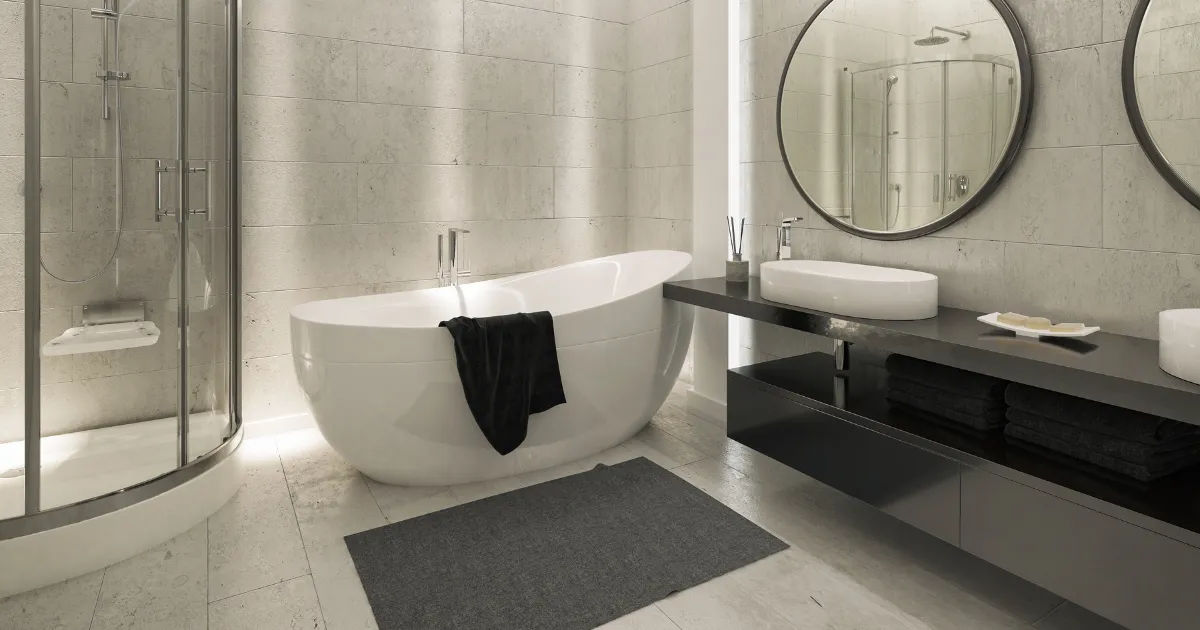 Before starting any project, proper preparation is essential to avoid delays, unexpected expenses, and design mistakes. Many homeowners begin Bathroom Remodeling Tampa projects without understanding the planning process, but careful preparation can make the entire experience smoother and more successful.
Preparing for a bathroom remodel involves several important steps, including setting goals, creating a realistic budget, selecting a design style, choosing materials, finding reliable professionals, and planning for temporary changes during construction. Whether you want a simple refresh or a complete bathroom transformation, having a clear plan will help you achieve the results you want.
A successful renovation does not happen by chance. It requires research, organization, and attention to detail. By understanding every stage before work begins, homeowners can make better decisions and create a bathroom that matches their lifestyle, needs, and personal taste.
Your Bathroom Remodeling Goals
The first step in preparing for a bathroom renovation is understanding exactly what you want to achieve. Every homeowner has different reasons for remodeling. Some people want to update an old design, while others need better storage, improved functionality, or increased home value.
Before contacting contractors or purchasing materials, spend time thinking about your priorities. Ask yourself what problems you currently have with your bathroom. Is the layout inconvenient? Is there limited storage space? Are the fixtures outdated? Does the bathroom feel too small or uncomfortable?
Identifying these issues will help you create a clear remodeling plan. A bathroom should not only look attractive but should also make daily routines easier and more enjoyable.
For example, a family bathroom may need additional storage, durable materials, and easy-to-clean surfaces. A guest bathroom might focus more on appearance and creating a welcoming atmosphere. A master bathroom may require luxury features such as a larger shower, modern bathtub, or improved lighting.
Understanding your goals early will help guide every decision during the remodeling process.
Evaluate Your Existing Bathroom Space
Before beginning any renovation work, carefully evaluate your current bathroom. Take measurements, inspect existing features, and identify areas that need improvement.
Measure the size of the bathroom, including walls, doors, windows, shower areas, bathtub spaces, and available storage areas. Accurate measurements are important because they help determine what fixtures and designs will fit properly.
Look closely at your plumbing, electrical systems, ventilation, and structural condition. Older bathrooms may have hidden problems such as water damage, leaks, mold growth, or outdated wiring. Discovering these issues before construction begins can prevent expensive surprises later.
Check the condition of important components such as:
- Flooring
- Walls
- Cabinets
- Plumbing fixtures
- Shower systems
- Bathtubs
- Lighting fixtures
- Exhaust fans
A professional inspection can also be helpful, especially if your bathroom has not been updated for many years. Identifying problems early allows you to include necessary repairs in your remodeling plan.
Create a Realistic Remodeling Budget
One of the most important parts of preparing for a bathroom renovation is developing a realistic budget. Many homeowners underestimate the total cost because they only consider visible improvements like tiles, sinks, and cabinets.
A complete remodeling budget should include materials, labor, permits, design services, plumbing work, electrical upgrades, and unexpected expenses.
When planning your budget, divide costs into different categories:
- Design and planning expenses
- Construction labor
- Plumbing updates
- Electrical improvements
- Flooring materials
- Wall finishes
- Cabinets and storage solutions
- Bathroom fixtures
- Lighting
- Decorative elements
It is also wise to keep an emergency reserve. During renovation projects, unexpected issues can appear after walls or floors are opened. Setting aside extra funds can help you handle these situations without major stress.
A well-prepared budget allows you to make confident decisions and prevents you from choosing materials or designs that are outside your financial limits.
Research Bathroom Design Ideas
Once you understand your goals and budget, begin exploring design ideas. Researching different styles will help you create a clear vision for your new bathroom.
Look through magazines, home improvement websites, design platforms, and local remodeling examples to find inspiration. Pay attention to colors, layouts, materials, storage ideas, and modern features that match your preferences.
Popular bathroom design styles include:
- Modern minimalist bathrooms
- Traditional designs
- Luxury spa-inspired spaces
- Coastal bathroom themes
- Contemporary layouts
- Natural and organic designs
When selecting a design, consider both appearance and practicality. A beautiful bathroom should also be comfortable, easy to maintain, and suitable for everyday use.
For example, large tiles may create a spacious appearance and require less cleaning because they have fewer grout lines. Floating vanities can make small bathrooms appear larger while providing useful storage. Walk-in showers can improve accessibility and create a modern appearance.
The best design is one that combines style, comfort, and long-term functionality.
Plan the Bathroom Layout Carefully
The layout of your bathroom has a major impact on how comfortable and practical the space will be. Before starting construction, decide whether you want to keep the existing layout or make major changes.
Keeping the current layout can reduce costs because plumbing and electrical connections may not need significant adjustments. However, changing the layout can improve functionality if the existing arrangement does not work well.
Consider the placement of:
- Toilet
- Sink or vanity
- Shower
- Bathtub
- Storage cabinets
- Mirrors
- Lighting fixtures
A professional designer or remodeling expert can help you create an efficient layout that maximizes available space.
For smaller bathrooms, smart planning is especially important. Space-saving solutions such as corner showers, wall-mounted sinks, and built-in storage can make the bathroom feel larger and more organized.
A well-planned layout improves movement, prevents overcrowding, and creates a more enjoyable bathroom experience.
Choose Durable Materials for Your Bathroom
Bathrooms experience daily exposure to moisture, humidity, and temperature changes. Because of this, selecting durable materials is extremely important.
Many homeowners focus only on appearance, but quality and durability should be equally important. Materials that cannot handle moisture may lead to damage, repairs, and additional expenses in the future.
When choosing bathroom materials, consider:
- Water resistance
- Durability
- Maintenance requirements
- Cleaning needs
- Overall appearance
- Long-term value
For flooring, popular choices include porcelain tile, ceramic tile, and waterproof luxury vinyl. These materials are available in many styles and can handle bathroom conditions effectively.
For countertops, materials such as quartz are popular because they are durable, attractive, and resistant to stains. For walls, moisture-resistant paint and quality tiles can help protect against humidity.
Choosing the right materials during Bathroom Remodeling Tampa planning ensures that your new bathroom remains attractive and functional for many years.
Select the Right Fixtures and Features
Bathroom fixtures are essential elements that influence both design and performance. Choosing high-quality fixtures can improve comfort while reducing future maintenance problems.
Important fixtures include:
- Sinks
- Faucets
- Toilets
- Showers
- Bathtubs
- Showerheads
- Mirrors
- Lighting systems
When selecting fixtures, think about water efficiency and energy savings. Modern products often include features that reduce water usage without affecting performance.
For example, efficient toilets can lower water consumption, while modern shower systems can provide a comfortable experience with improved water management.
Also consider features that improve convenience, such as:
- Heated flooring
- Smart mirrors
- Adjustable lighting
- Built-in shower shelves
- Touchless faucets
- Additional storage solutions
The right combination of fixtures and features can turn an ordinary bathroom into a comfortable and modern space.
Conclusion
Choosing the right contractor is one of the most important preparation steps. A skilled remodeling professional can help manage the project, solve problems, and ensure quality results.
Before hiring someone, research local professionals and compare their experience, services, reviews, and previous work.
Ask potential contractors about:
- Experience with bathroom renovations
- Licensing and insurance
- Project timeline
- Estimated costs
- Previous remodeling examples
- Warranty options
A good contractor should communicate clearly and explain each stage of the project. They should also provide a detailed estimate that explains labor costs, materials, and expected completion dates.
Avoid choosing a contractor only because they offer the lowest price. Extremely low estimates may indicate poor-quality materials, limited experience, or hidden costs later.
A reliable professional will focus on quality, transparency, and customer satisfaction.