
Streetwear has become one of the biggest fashion movements in the world. From sneakers and hoodies to oversized shirts and luxury collaborations, streetwear now influences music, sports, and global fashion trends.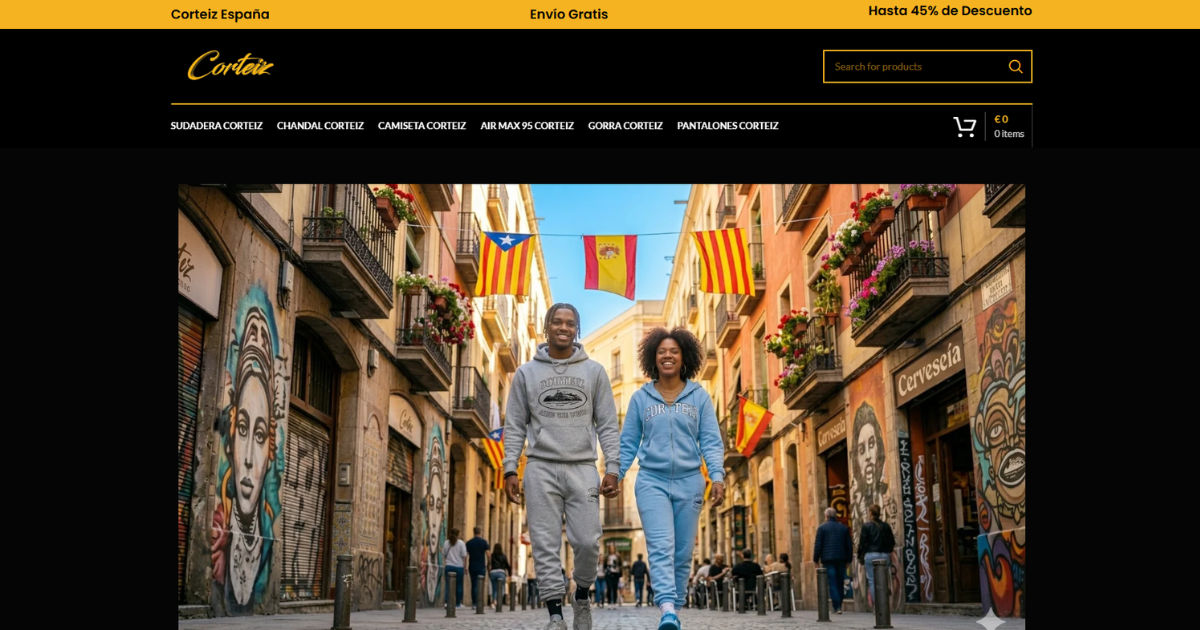
Today, brands connected with youth culture, including styles like chandal corteiz, dominate social media and urban fashion scenes. The popularity of chandal corteiz reflects how modern streetwear blends comfort, identity, and cultural influence into everyday clothing.
But many people still ask an important question: where did streetwear originally come from?
The answer is much deeper than just trendy clothes. Streetwear was born from real communities, underground movements, and youth rebellion. It developed through skateboarding, hip-hop, surfing, graffiti, and sports culture.
Over time, it transformed from a local style into a billion-dollar global industry.
This guide explores the complete history of streetwear, how it evolved, and why it continues to shape fashion today.
Streetwear
Streetwear is a casual style of clothing inspired by urban culture. It usually includes sneakers, hoodies, graphic T-shirts, cargo pants, tracksuits, and oversized clothing. Unlike traditional fashion, streetwear focuses on individuality and cultural identity.
Streetwear is not only about clothes. It is also connected to music, art, sports, and lifestyle. Fans of brands such as chandal corteiz often wear these styles to express personality and confidence.
The culture behind streetwear is built on authenticity. People wear streetwear because it represents creativity, freedom, and belonging to a community.
The Early Origins of Streetwear
The roots of streetwear can be traced back to the late 1970s and early 1980s. During this period, young people in cities started creating their own fashion trends instead of following traditional luxury brands.
Two major cultural movements helped shape early streetwear:
- Surf culture in California
- Hip-hop culture in New York
These communities created styles that were comfortable, practical, and expressive.
California Surf Culture
One of the earliest influences on streetwear came from surfers in California. Surfers wanted relaxed clothing that matched their lifestyle. Graphic T-shirts, shorts, sneakers, and loose-fitting clothes became popular among young people near the beaches.
A key figure during this time was Shawn Stussy. He started printing his signature on surfboards and later placed the same logo on T-shirts and caps. This small idea became the famous Stüssy brand.
Many fashion historians consider Stüssy one of the first true streetwear brands.
The success of Stüssy showed that clothing connected to youth culture could become highly influential. Modern urban brands like chandal corteiz follow a similar concept by combining lifestyle and fashion into a strong identity.
The Rise of Hip-Hop Fashion
At the same time, hip-hop culture was growing rapidly in New York City. Rappers, DJs, breakdancers, and graffiti artists developed their own unique fashion style.
Tracksuits, sneakers, gold chains, and oversized clothing became symbols of hip-hop identity. Brands like Adidas gained popularity because artists wore them during performances and music videos.
Hip-hop culture changed the meaning of fashion. Clothing became a way to show status, creativity, and individuality.
This influence is still visible today in brands connected to urban fashion, including chandal corteiz, which mixes music-inspired aesthetics with modern street style.
Skateboarding and Streetwear
Skateboarding culture played a huge role in the development of streetwear during the 1980s and 1990s.
Skaters needed durable and comfortable clothing for movement and performance. Loose jeans, hoodies, Vans sneakers, and graphic shirts became common.
Skateboarding brands began producing limited clothing collections that appealed to young people. This created exclusivity, which later became a major part of streetwear culture.
Streetwear became more than fashion. It became a symbol of independence and rebellion against mainstream trends.
Modern collections like chandal corteiz continue this tradition by emphasizing originality and exclusivity.
The Influence of Sneakers
Sneakers are one of the most important elements of streetwear history.
In the 1980s, basketball culture and hip-hop made sneakers highly desirable. The release of Air Jordans transformed sneakers into fashion statements.
People started collecting shoes and waiting in long lines for new releases. This created sneaker culture, which became deeply connected with streetwear.
Today, sneaker collaborations are worth millions of dollars. Streetwear brands often gain popularity through limited-edition sneaker partnerships.
Fans who wear chandal corteiz frequently pair these outfits with rare sneakers to complete the streetwear look.
Japanese Streetwear Revolution
During the 1990s, Japan became one of the most important centers of streetwear culture.
Japanese designers took inspiration from American hip-hop, skateboarding, and vintage fashion. They added unique creativity and attention to detail.
Brands like A Bathing Ape, Undercover, and Neighborhood became famous worldwide.
Japanese streetwear introduced:
- Limited releases
- High-quality materials
- Unique graphics
- Strong brand storytelling
This approach influenced modern urban labels, including chandal corteiz, which also focuses on exclusivity and community appeal.
Streetwear and Music Culture
Music has always been connected to streetwear.
Hip-hop artists, rappers, and musicians helped streetwear grow globally. When celebrities wore certain brands, fans quickly followed the trend.
In the 2000s, artists like Kanye West, Pharrell Williams, and Travis Scott became major fashion influencers. Their clothing choices shaped youth fashion around the world.
Social media later increased the power of music-driven fashion trends. Brands connected with urban culture, such as chandal corteiz, gained popularity because fans saw influencers and musicians wearing similar styles.
Luxury Fashion Joins Streetwear
For many years, luxury fashion and streetwear were considered completely different worlds.
Luxury brands focused on formal elegance, while streetwear focused on youth culture and casual clothing.
However, things changed dramatically in the 2010s.
Luxury companies realized that younger consumers preferred casual and expressive fashion. Major collaborations between luxury brands and streetwear labels became extremely successful.
This changed the fashion industry forever.
Today, hoodies, sneakers, and tracksuits are accepted even in high-fashion environments. Styles like chandal corteiz show how modern consumers value comfort and identity alongside luxury aesthetics.
The Role of Social Media
Social media transformed streetwear into a global movement.
Platforms like Instagram, TikTok, and YouTube allow brands to connect directly with audiences. Streetwear fans can instantly see new collections, sneaker drops, and influencer outfits.
This online exposure helped smaller brands grow rapidly.
Limited releases and exclusive drops create excitement and urgency. Consumers feel connected to the brand community.
The popularity of chandal corteiz reflects how social media can turn streetwear labels into cultural icons almost overnight.
Why Streetwear Became So Popular
Streetwear became successful because it connects with people emotionally.
Unlike traditional fashion, streetwear represents:
- Freedom
- Creativity
- Rebellion
- Community
- Authenticity
Young people often use streetwear to express personal identity.
Another reason for its popularity is comfort. Oversized hoodies, sneakers, and relaxed clothing are practical for daily life.
Modern collections such as chandal corteiz combine comfort with exclusivity, making them highly attractive to younger audiences.
The Importance of Limited Releases
One unique feature of streetwear is limited production.
Brands often release small quantities of products to create hype and exclusivity.
When items sell out quickly, they become more valuable. Fans compete to buy rare pieces before they disappear.
This strategy creates strong demand and cultural excitement.
The same method is often associated with urban fashion labels like chandal corteiz, where scarcity increases popularity.
Streetwear as a Global Culture
Streetwear is no longer limited to one country or community.
Today, streetwear exists in:
- America
- Japan
- South Korea
- Europe
- Pakistan
- Middle East
- Africa
Every region adds its own local influence.
For example:
- Korean streetwear often focuses on clean oversized looks.
- Japanese streetwear emphasizes creativity and detail.
- American streetwear strongly connects with hip-hop and sports.
Global brands and trends, including chandal corteiz, show how streetwear now belongs to an international audience.
Streetwear and Youth Identity
Streetwear gives young people a sense of belonging.
Fashion can communicate personality without words. Many teenagers and young adults wear streetwear because it reflects confidence and individuality.
Streetwear communities also form around shared interests such as:
- Music
- Gaming
- Basketball
- Skateboarding
- Art
- Sneakers
Fans of chandal corteiz often connect through social media communities and shared fashion interests.
The Business Side of Streetwear
Streetwear has become a massive business industry.
Many brands that started small are now worth billions of dollars.
The success of streetwear comes from:
- Strong branding
- Limited releases
- Celebrity influence
- Social media marketing
- Community engagement
Unlike traditional advertising, streetwear often grows through word of mouth and online hype.
Brands connected with urban culture, including chandal corteiz, benefit from this powerful community-driven marketing approach.
The Evolution of Streetwear Design
Streetwear design has changed significantly over time.
Early streetwear focused on:
- Simple logos
- Graphic prints
- Skate and surf aesthetics
Modern streetwear includes:
- Technical fabrics
- Luxury collaborations
- Minimalist designs
- High-end tailoring
- Experimental silhouettes
Despite these changes, the core idea remains the same: self-expression through fashion.
This evolution is visible in collections like chandal corteiz, where modern trends combine with classic urban style.
Sustainability and the Future of Streetwear
Many consumers today care about sustainability and ethical fashion.
Streetwear brands are increasingly exploring:
- Eco-friendly materials
- Sustainable production
- Recycling programs
- Ethical manufacturing
Future streetwear may focus more on environmental responsibility while still maintaining creativity and exclusivity.
Consumers now want both style and social responsibility from their favorite brands.
Brands inspired by modern urban fashion, including chandal corteiz, may continue evolving toward more sustainable practices.
Streetwear’s Connection With Sports
Sports culture has strongly influenced streetwear from the beginning.
Basketball, soccer, and skateboarding all helped shape urban fashion trends.
Athletes became style icons, and sportswear companies gained major influence in streetwear culture.
Tracksuits, jerseys, and sneakers became everyday fashion items rather than only sports clothing.
This influence explains why outfits like chandal corteiz are popular among people who appreciate both sportswear and street fashion aesthetics.
Streetwear in Modern Fashion Schools
Fashion schools and universities now study streetwear as an important cultural movement.
Students analyze:
- Branding strategies
- Sneaker culture
- Consumer psychology
- Fashion marketing
- Youth identity
Streetwear is no longer considered temporary fashion. It is now viewed as an important part of modern cultural history.
The continued popularity of brands similar to chandal corteiz proves that streetwear has become a permanent part of global fashion.
How Technology Changed Streetwear
Technology has transformed how streetwear is sold and promoted.
Online stores, mobile apps, and digital marketing allow brands to reach customers worldwide instantly.
Streetwear brands now use:
- Online drops
- Livestream launches
- Influencer campaigns
- Digital communities
This creates direct relationships between brands and consumers.
The online popularity of chandal corteiz reflects how technology has accelerated modern streetwear growth.
The Emotional Power of Streetwear
Streetwear is emotional because it represents real culture and personal identity.
People often connect fashion with memories, music, friendships, and lifestyle experiences.
A hoodie or sneaker can symbolize belonging to a specific community.
This emotional connection helps explain why streetwear fans remain loyal to certain brands.
Supporters of chandal corteiz often feel connected not only to the clothing itself but also to the culture surrounding the brand.
Streetwear and Celebrity Influence
Celebrities continue to shape streetwear trends globally.
When musicians, athletes, or influencers wear specific brands, those products quickly gain attention.
Collaborations between celebrities and streetwear companies often sell out immediately.
Celebrity culture has become deeply connected to streetwear marketing.
This connection also contributes to the popularity of urban styles like chandal corteiz, especially among younger audiences influenced by online culture.
Why Streetwear Continues to Grow
Streetwear remains powerful because it constantly adapts.
It changes with:
- Music trends
- Technology
- Youth culture
- Social media
- Global fashion movements
Unlike traditional fashion, streetwear feels personal and connected to real life.
It allows people to express themselves in creative and comfortable ways.
The ongoing demand for styles like chandal corteiz shows that streetwear continues evolving while staying connected to its cultural roots.
Conclusion
Streetwear originally came from youth culture, especially surfing, skateboarding, and hip-hop communities during the late 1970s and early 1980s. What started as local fashion movements eventually became a worldwide cultural force.
Streetwear grew because it represented authenticity, rebellion, creativity, and individuality. Influences from music, sports, art, and technology helped transform it into one of the most important fashion industries in the world.
Today, modern streetwear combines comfort, exclusivity, and identity. Brands and styles connected to urban culture, including chandal corteiz, reflect the continuing evolution of streetwear in modern society.
The history of streetwear proves that fashion is more than clothing. It is a reflection of culture, community, and personal expression. From California surfers and New York rappers to global fashion collaborations and online communities, streetwear continues to shape how people dress and express themselves around the world.