
If you’ve ever walked past a modern building and noticed how sleek, stylish, and eye-catching it looks, chances are you were seeing the effects of façade cladding.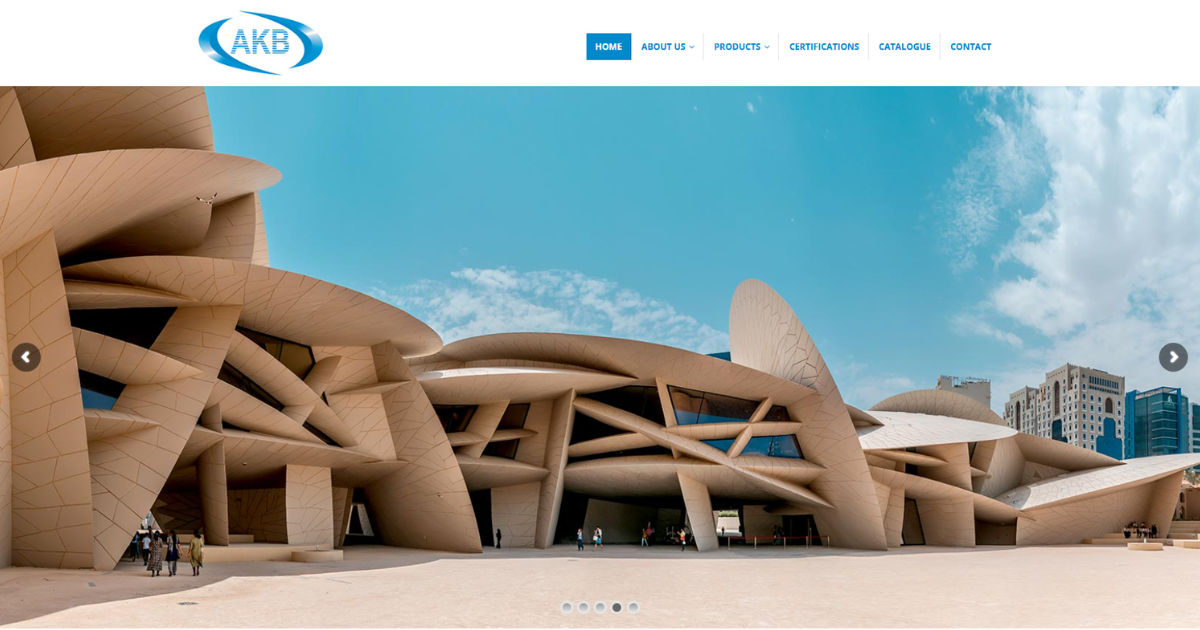
Façade cladding is not just about aesthetics—it plays a crucial role in protecting buildings, improving energy efficiency, and enhancing the overall structural performance.
For anyone in construction, architecture, or building management, understanding façade cladding is essential. Companies like Akbari Engineering have long been at the forefront of providing innovative cladding solutions that blend functionality with design.
In this comprehensive guide, we will break down everything you need to know about façade cladding, why it is important, the types of materials used, installation considerations, and much more.
What is Façade Cladding?
At its core, façade cladding is a layer of material applied to the exterior of a building. It serves as a protective and decorative “skin” over the structural framework. Cladding can be made from a wide variety of materials, including metal, wood, stone, glass, composite panels, and more.
The purpose of façade cladding goes beyond just making a building look appealing. It acts as a barrier against weather elements, including rain, wind, snow, and harsh sunlight. Moreover, it can improve the building’s energy efficiency, sound insulation, and fire resistance. Companies like Akbari Engineering specialize in designing cladding systems that meet these functional requirements while also elevating the visual appeal of buildings.
Why Façade Cladding Matters
Understanding why façade cladding matters requires looking at its multiple benefits.
Protection Against Weather
One of the primary functions of cladding is to protect the building from the elements. Rainwater, UV rays, strong winds, and temperature fluctuations can all damage the underlying structure over time. Cladding acts as a shield, reducing the risk of structural deterioration, leaks, and corrosion. This protective layer ensures the longevity of the building while minimizing maintenance costs.
Energy Efficiency
Cladding can significantly improve a building’s thermal performance. Many cladding systems incorporate insulation materials that help regulate indoor temperatures. In hot climates, cladding prevents excessive heat from entering the building, while in colder regions, it keeps the warmth inside. This leads to reduced energy consumption for heating and cooling, making buildings more environmentally friendly and cost-efficient. Akbari Engineering provides cladding solutions that are designed to optimize energy efficiency without compromising on aesthetics.
Aesthetic Appeal
Modern architecture emphasizes visual appeal, and façade cladding plays a key role in achieving this. Architects can choose from a wide range of textures, colors, and patterns to create unique building designs. Whether it’s a glass curtain wall for a corporate office or wooden panels for a residential building, cladding transforms ordinary structures into striking landmarks.
Sound Insulation
In urban environments, noise pollution is a significant concern. Certain cladding materials can absorb sound, reducing the impact of external noise inside the building. This makes cladding not only an aesthetic and functional solution but also a contributor to better living and working conditions.
Fire Resistance and Safety
Safety is a major consideration in building construction. Many modern cladding systems are designed with fire-resistant properties, helping prevent the rapid spread of fire across the façade. Fire-rated cladding materials can save lives and protect property in emergency situations, which is why using trusted providers like Akbari Engineering is essential.
Types of Façade Cladding Materials
The choice of cladding material is crucial, as it determines the building’s performance, durability, and appearance. Here are some of the most common materials used:
Metal Cladding
Metal cladding, often made from aluminum, steel, or copper, is durable and low-maintenance. Aluminum is lightweight and resistant to corrosion, making it ideal for modern commercial buildings. Steel offers strength and longevity, while copper develops a natural patina over time, adding a unique aesthetic charm.
Stone Cladding
Stone cladding offers a timeless and natural appearance. Materials such as granite, limestone, and marble provide durability and weather resistance. Stone cladding is often used for luxury buildings and monuments, giving them a sophisticated and robust look.
Timber Cladding
Timber or wood cladding provides warmth and a natural feel. It is popular in residential construction and eco-friendly projects. Treated wood can resist decay, insects, and fire, but it requires periodic maintenance to maintain its beauty and performance.
Glass Cladding
Glass façades create a modern, sleek appearance. Curtain walls made of glass allow natural light to enter the building while providing insulation when combined with double or triple glazing. Glass cladding is widely used in office towers, shopping malls, and high-end residential projects.
Composite Panels
Composite panels, made from a mix of materials such as aluminum and polyethylene, offer lightweight, versatile, and durable cladding options. They can be manufactured in various colors and finishes, making them ideal for creative architectural designs.
Factors to Consider When Choosing Façade Cladding
Selecting the right cladding system requires careful evaluation of several factors:
Climate and Environmental Conditions
The building’s location plays a significant role in material selection. Coastal regions may require corrosion-resistant metals, while areas with heavy rainfall may benefit from water-resistant stone or composite panels.
Maintenance Requirements
Different materials require different levels of maintenance. Timber may need regular treatment, while metals and composites typically require less attention. Considering the long-term maintenance costs is essential before making a choice.
Budget Constraints
Cost is always a consideration. While natural stone and high-quality metals may be expensive upfront, they offer durability and low maintenance in the long run. Akbari Engineering can provide cost-effective solutions without compromising quality and safety.
Structural Compatibility
The building’s design and structural integrity determine which cladding systems can be safely installed. Some heavy materials, like stone, require reinforced support structures, while lightweight composites can be used on almost any frame.
Fire and Safety Regulations
Local building codes and fire safety standards must be considered. Certain materials are classified as fire-resistant, while others may need additional treatment or protective layers to meet safety standards.
Installation Process of Façade Cladding
Proper installation is critical to ensure that the cladding performs well over time. Here’s a general overview of the installation process:
Step 1: Design and Planning
A detailed assessment of the building structure is done, and a cladding design is developed. Architects and engineers consider aesthetics, performance, and structural requirements at this stage.
Step 2: Material Selection
Based on the design, the appropriate cladding material is chosen. This involves considering durability, maintenance, cost, and environmental factors.
Step 3: Surface Preparation
Before cladding can be applied, the building’s exterior surface is cleaned, leveled, and reinforced if needed. Proper preparation ensures that the cladding adheres securely and functions effectively.
Step 4: Installation of Support Framework
A support framework, often made of metal or aluminum rails, is installed on the exterior walls. This framework holds the cladding panels in place and ensures proper alignment.
Step 5: Cladding Installation
Cladding panels are then attached to the support framework using mechanical fasteners, adhesives, or interlocking systems, depending on the material. Proper sealing and alignment are essential to prevent leaks and maintain aesthetics.
Step 6: Finishing Touches
After installation, joints are sealed, edges are finished, and any protective coatings are applied. The final inspection ensures that the cladding meets quality, safety, and design standards. Companies like Akbari Engineering often provide full-service installation to guarantee the best results.
Common Challenges in Façade Cladding
While façade cladding offers numerous benefits, certain challenges need to be addressed:
Weather and Environmental Impact
Extreme weather conditions can cause damage to cladding materials over time. UV exposure, moisture, and wind pressure must be considered when selecting materials and installation methods.
Maintenance Issues
Some cladding materials, like timber or natural stone, require regular maintenance to preserve their appearance and performance. Neglecting maintenance can lead to deterioration and costly repairs.
Installation Errors
Incorrect installation can lead to leaks, structural damage, or aesthetic flaws. Using experienced professionals like Akbari Engineering reduces the risk of such problems.
Fire Safety Concerns
Improperly selected cladding materials can pose fire hazards. It’s crucial to choose fire-rated materials and adhere to local safety codes.
Benefits of Hiring Professional Cladding Companies
Partnering with a reputable company offers several advantages:
- Expertise in selecting the right materials for specific environments
- Efficient and safe installation processes
- Access to innovative designs and modern technologies
- Compliance with safety standards and building codes
- Long-term maintenance and support
Companies like Akbari Engineering provide comprehensive solutions, from design consultation to installation and maintenance, ensuring a hassle-free experience for building owners.
Sustainability and Façade Cladding
Sustainability is becoming increasingly important in construction. Modern cladding solutions focus on eco-friendly materials and energy-efficient designs. Recyclable metals, sustainably sourced timber, and low-impact composites are some options that reduce the environmental footprint of buildings. Properly designed cladding also improves thermal performance, reducing energy consumption and greenhouse gas emissions.
Case Studies of Effective Façade Cladding
Several buildings around the world highlight the effectiveness of façade cladding:
- Corporate Towers – Glass and aluminum curtain walls create iconic skylines while enhancing natural lighting and energy efficiency.
- Residential Complexes – Timber cladding provides warmth and aesthetic appeal while improving insulation.
- Commercial Hubs – Composite panels offer flexibility in design, durability, and low maintenance.
Each example demonstrates how façade cladding balances aesthetics, functionality, and safety. Companies like Akbari Engineering have successfully executed projects that showcase these benefits in real-world applications.
Future Trends in Façade Cladding
The façade cladding industry is evolving with new technologies and materials:
- Smart Cladding – Integrating sensors to monitor structural health and energy performance.
- Green Façades – Vertical gardens and living walls improve air quality and aesthetics.
- Lightweight Composites – Offering stronger, lighter, and more flexible design options.
- Prefabricated Panels – Reducing installation time and construction costs.
These innovations are shaping the future of building design and construction, making cladding more versatile and sustainable.
Conclusion
Façade cladding is more than just an exterior finish—it is a critical component that affects a building’s durability, energy efficiency, aesthetics, safety, and overall performance. By selecting the right materials, using professional installation, and considering environmental and maintenance factors, building owners can maximize the benefits of cladding.
Companies like Akbari Engineering play a vital role in this process, offering expert guidance, high-quality materials, and installation services to ensure that buildings are both beautiful and functional. Whether you are constructing a commercial tower, residential complex, or any modern building, understanding and investing in façade cladding is essential for long-term success.
In today’s construction world, the right cladding solution not only enhances the building’s visual appeal but also ensures safety, energy efficiency, and sustainability. For architects, builders, and property owners, façade cladding is no longer optional—it’s a necessity that blends science, design, and technology seamlessly.