
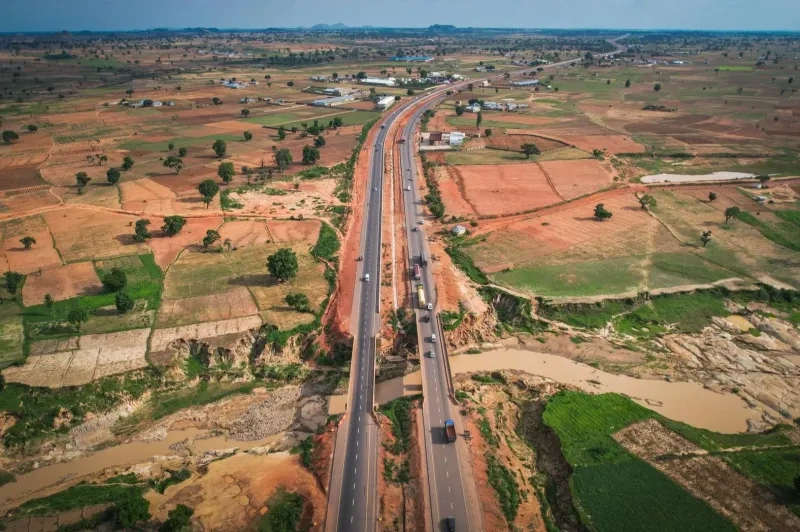
Modern infrastructure development depends heavily on efficiency, durability, and sustainability, making advanced asphalt plants a critical component of today’s road construction industry. As transportation networks continue to expand and governments invest in long-lasting infrastructure, the demand for high-performance asphalt production systems has grown significantly. Advanced asphalt plants are transforming the way roads are designed, produced, and maintained by delivering consistent material quality, reducing environmental impact, and improving project timelines Asphalt mixing plant for Kenya.
Traditional road construction methods often faced challenges related to inconsistent asphalt mixtures, excessive material waste, and limited production capacity. Modern asphalt plants address these issues through automation, precision engineering, and intelligent control systems. These facilities are designed to produce asphalt mixtures with highly accurate temperature control, proper aggregate blending, and optimized bitumen distribution. The result is a stronger and more reliable pavement structure capable of withstanding increasing traffic loads and changing weather conditions.
One of the most significant advantages of advanced asphalt plants is their ability to ensure uniformity in asphalt production. Consistency is essential in road construction because even small variations in the asphalt mix can lead to premature cracking, potholes, or surface deterioration. Modern plants use computerized systems and real-time monitoring technologies to maintain exact proportions of materials throughout the production process. Operators can adjust settings instantly, ensuring the final asphalt mix meets strict engineering and quality standards.
Automation has also improved operational efficiency in large-scale road construction projects. Advanced asphalt plants can produce substantial volumes of asphalt within shorter timeframes, helping contractors meet tight deadlines without compromising quality. Continuous production systems minimize downtime and allow construction teams to maintain steady paving operations. This efficiency becomes especially important in urban infrastructure projects where road closures and traffic disruptions must be minimized.
Environmental sustainability has become a major focus in the construction industry, and advanced asphalt plants are playing a vital role in reducing the ecological footprint of road development. Many modern plants are equipped with energy-efficient burners, dust collection systems, and emissions control technologies that significantly lower air pollution. Some facilities also incorporate warm mix asphalt technology, which allows asphalt production at lower temperatures. This process reduces fuel consumption, greenhouse gas emissions, and energy costs while improving working conditions for plant operators and paving crews.
The integration of recycled materials is another key innovation supported by modern asphalt plants. Reclaimed asphalt pavement, commonly known as RAP, can now be processed and reused effectively in new road construction projects. Advanced recycling systems allow contractors to blend recycled asphalt with fresh materials while maintaining the desired quality and performance standards. This approach reduces the need for virgin aggregates and bitumen, conserves natural resources, and lowers overall project expenses.
Mobile and modular asphalt plants have further increased flexibility in modern road construction. Unlike traditional stationary facilities, mobile plants can be transported and assembled near construction sites, reducing transportation costs and logistical challenges. This mobility is particularly beneficial for remote infrastructure projects, highway expansions, and temporary construction operations. Contractors can produce asphalt closer to the paving location, ensuring fresher mixes and greater operational efficiency.
Technological innovation has also enhanced data management and predictive maintenance within asphalt production facilities. Sensors and digital monitoring systems collect operational data continuously, allowing plant managers to identify inefficiencies before they become costly problems. Predictive maintenance tools help prevent equipment failures, reduce downtime, and extend the lifespan of critical machinery. These technologies contribute to smoother project execution and lower long-term operational costs.
Advanced asphalt plants support the production of specialized asphalt mixtures tailored to different road conditions and traffic demands. Highways, airport runways, industrial zones, and urban streets all require unique pavement characteristics. Modern production systems enable engineers to create customized asphalt blends with improved resistance to heavy loads, moisture, temperature fluctuations, and surface wear. Polymer-modified asphalt and stone matrix asphalt are examples of advanced materials produced efficiently through modern plant technology.
Safety is another important factor influenced by modern asphalt production systems. Automated controls reduce the need for manual handling of hot materials and heavy equipment, minimizing workplace hazards. Improved plant design and enclosed processing systems also create cleaner and safer environments for workers. In addition, high-quality asphalt mixtures contribute to safer road surfaces by improving skid resistance, reducing water accumulation, and enhancing overall driving conditions.
Economic benefits associated with advanced asphalt plants extend beyond construction companies. Governments and municipalities benefit from longer-lasting roads that require less frequent maintenance and repair. Reduced construction delays and improved pavement durability help lower lifecycle costs for public infrastructure projects. Efficient asphalt production also supports regional development by accelerating transportation improvements that stimulate trade, mobility, and economic growth.
As urbanization and population growth continue to place pressure on transportation networks, the role of advanced asphalt plants will become increasingly important. Smart cities and modern infrastructure systems require durable, sustainable, and cost-effective road solutions capable of supporting future mobility demands. Innovations such as artificial intelligence, machine learning, and IoT-enabled monitoring are expected to further optimize asphalt production processes and enhance pavement performance.
The evolution of asphalt plant technology reflects the broader transformation of the construction industry toward smarter and more sustainable practices. By combining automation, environmental responsibility, and engineering precision, advanced asphalt plants have become essential tools for delivering reliable infrastructure in a rapidly developing world. Their contribution extends far beyond material production, shaping the quality, efficiency, and longevity of modern road construction projects across the globe.