
The way people watch television has changed significantly over the years. Traditional cable and satellite services are no longer the only options available for enjoying movies, shows, sports, and live channels. Many viewers are now choosing internet-based television services because they offer more flexibility, convenience, and access to a wider range of content. One common question among new users is: Does IPTV support HD streaming?
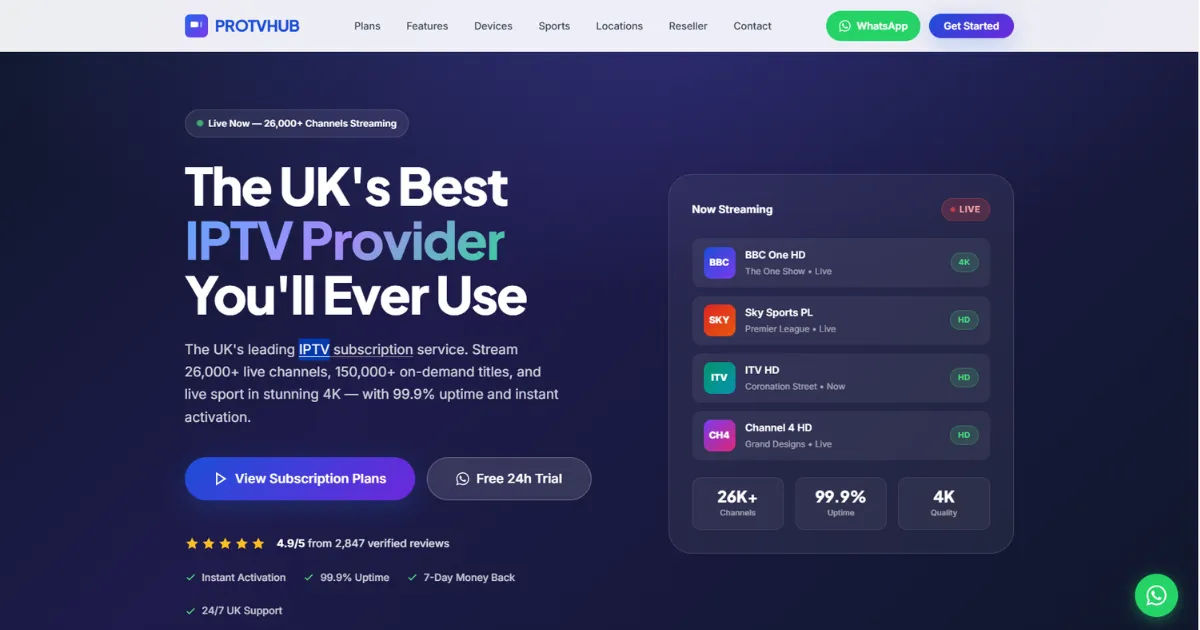
The simple answer is yes. IPTV can support HD streaming when the service provider, internet connection, and streaming device meet the required standards. Many modern IPTV platforms offer high-definition channels, Full HD content, and even 4K streaming options. Users can enjoy sharper images, better colors, and improved viewing experiences compared to older broadcasting methods.
Before selecting an IPTV service, viewers often research different options and may click Visit Website links to explore available packages, channel lists, streaming quality, and device compatibility. Understanding how IPTV delivers HD content can help users make better decisions and avoid poor-quality services.
This guide explains how IPTV supports HD streaming, what factors affect video quality, what internet speed is needed, and how users can enjoy the best possible viewing experience.
What Is IPTV?
IPTV stands for Internet Protocol Television. Unlike traditional television systems that send signals through cable networks, satellites, or antennas, IPTV delivers television content through an internet connection.
Instead of receiving channels through physical transmission methods, IPTV converts television signals into digital data packets. These packets travel through internet networks and are displayed on compatible devices such as smart TVs, smartphones, computers, tablets, and streaming boxes.
IPTV allows users to watch:
- Live television channels
- Movies and series
- Sports events
- News broadcasts
- Documentaries
- On-demand entertainment
The biggest advantage of IPTV is flexibility. Viewers are not limited to a fixed television schedule. Many IPTV services provide features such as pause, replay, video-on-demand libraries, and multi-device support.
How Does IPTV Deliver HD Streaming?
HD streaming requires the transfer of large amounts of video data while maintaining smooth playback. IPTV achieves this through advanced video compression technologies and internet-based delivery systems.
When a user selects an HD channel, the IPTV platform sends compressed video data from its servers to the user's device. The device then processes the data and displays the video in high resolution.
The quality of the final picture depends on several important factors:
- The quality of the original broadcast
- The IPTV provider’s servers
- Video compression methods
- Internet connection speed
- Device performance
- Network stability
A reliable IPTV system can provide clear HD images with minimal buffering when all these factors work together.
Understanding HD Streaming Quality in IPTV
Not all IPTV streams have the same quality. Different services may offer different video resolutions depending on their technology and infrastructure.
Standard Definition (SD) Streaming
Standard Definition is the basic video quality used by older television systems. SD channels usually have lower resolution and may appear less sharp, especially on larger screens.
While SD streaming requires less internet bandwidth, many viewers now prefer HD because modern televisions are designed for higher resolutions.
High Definition (HD) Streaming
HD streaming provides clearer images and better details compared to SD. Most HD channels offer resolutions such as 720p or 1080p.
Benefits of HD IPTV streaming include:
- Sharper picture quality
- Better viewing experience on large screens
- Improved sports and action scenes
- More realistic colors
- Reduced image blur
HD streaming has become one of the most popular choices among IPTV users because it provides a balance between quality and internet requirements.
Full HD Streaming
Full HD generally refers to 1080p resolution. It provides more detail than standard HD and works especially well on modern televisions and computer monitors.
Full HD IPTV streams are popular among viewers who want a cinema-like experience without requiring extremely high internet speeds.
4K IPTV Streaming
Some advanced IPTV services also provide 4K Ultra HD streaming. This resolution offers significantly more detail than Full HD.
However, 4K streaming requires:
- Faster internet speeds
- Compatible devices
- Strong network stability
- High-quality IPTV servers
Users interested in premium streaming experiences often explore provider details through a Visit Website option to check whether 4K channels and advanced features are available.
Factors That Affect IPTV HD Streaming Quality
Although IPTV technology supports HD streaming, the actual viewing experience depends on several external factors. A user may have access to HD channels but still experience buffering or reduced quality if certain conditions are not ideal.
Internet Speed Requirements
Internet speed is one of the most important factors for IPTV performance.
Different streaming qualities require different bandwidth levels:
- SD streaming usually requires lower speeds
- HD streaming needs a stable medium-speed connection
- Full HD requires stronger bandwidth
- 4K streaming requires very high-speed internet
For smooth HD viewing, users should have a reliable broadband connection. A fast but unstable connection may still cause interruptions.
Internet speed can also be affected by:
- Number of connected devices
- Background downloads
- Wi-Fi distance
- Network congestion
A dedicated and stable connection usually provides better results.
IPTV Server Performance
The IPTV provider’s server quality plays a major role in streaming performance.
A professional IPTV service should have:
- Powerful servers
- High bandwidth capacity
- Reliable uptime
- Efficient content delivery systems
If servers are overloaded, users may experience:
- Buffering
- Channel freezing
- Slow loading times
- Reduced picture quality
A strong server network helps maintain consistent HD streaming, especially during popular events such as live sports matches.
Device Compatibility
The device used for IPTV streaming also affects quality.
Modern devices usually provide better performance because they have:
- Faster processors
- Better graphics systems
- Improved video decoding capabilities
Common IPTV-compatible devices include:
- Smart TVs
- Android TV boxes
- Streaming devices
- Smartphones
- Tablets
- Computers
Older devices may struggle with high-resolution streams, especially 4K content.
Network Connection Type
The type of internet connection can influence streaming stability.
A wired Ethernet connection often provides better reliability compared to wireless connections because it reduces interference and connection drops.
However, modern Wi-Fi networks can also support HD IPTV streaming when the router is placed correctly and the network is not overloaded.
Benefits of Watching HD Content Through IPTV
HD IPTV streaming provides several advantages compared to traditional television services.
Better Picture Quality
The most noticeable benefit is improved image clarity. HD streaming allows viewers to see more details, making movies, sports, and documentaries more enjoyable.
Small details that may appear unclear in standard quality become sharper and easier to recognize.
Improved Entertainment Experience
High-definition content creates a more immersive viewing experience. Whether watching a fast-paced sports game or a visually detailed movie, better resolution improves overall enjoyment.
Many viewers now consider HD quality an essential feature rather than an additional benefit.
Access to More Content Options
IPTV platforms often provide large libraries of content alongside live channels.
Users can access:
- International channels
- Local broadcasts
- Premium entertainment
- On-demand movies
- Special programs
This variety makes IPTV attractive for viewers who want more control over their entertainment choices.
Flexible Viewing Options
Unlike traditional television, IPTV allows users to watch content on multiple devices.
A person can watch a live channel on a television at home and continue viewing on a smartphone or tablet while traveling.
This flexibility is one reason IPTV has become increasingly popular worldwide.
Common Problems That Can Affect HD Streaming
Although IPTV supports HD streaming, users may occasionally face issues that reduce video quality. Understanding these problems can help improve the viewing experience.
Buffering
Buffering is one of the most common complaints among IPTV users. It happens when the video pauses because the device is waiting for more data to arrive.
Buffering can be caused by:
- Slow internet speeds
- Weak Wi-Fi signals
- Busy IPTV servers
- Too many connected devices
- Background downloads
Many users first Visit Website pages of IPTV providers to learn about server performance, recommended internet speeds, and available customer support before subscribing.
Low Video Quality
Sometimes an HD channel may appear blurry or pixelated. This can happen when the IPTV service automatically lowers the video quality to keep playback smooth.
Possible causes include:
- Limited bandwidth
- Network congestion
- Older streaming devices
- Poor server quality
Restarting the device, checking the internet connection, or selecting the HD stream manually can often improve the picture.
Audio and Video Out of Sync
In some cases, the sound may not match the video perfectly. This issue is usually caused by temporary streaming delays or device processing problems.
Updating the IPTV application or restarting the device often resolves this issue.
Internet Speed Needed for HD IPTV Streaming
A stable internet connection is essential for uninterrupted HD streaming. While exact requirements vary depending on the provider and video compression technology, general recommendations can help users choose the right internet plan.
For Standard Definition
A basic broadband connection is usually enough for SD streaming.
For HD Streaming
Most HD channels require a stable connection with enough bandwidth to transfer high-quality video without interruptions.
For Full HD Streaming
Full HD streams require more bandwidth than standard HD because they contain more image detail.
For 4K Streaming
Ultra HD content requires the fastest and most stable internet connection. Users should also ensure their router and streaming device support high-speed data transfer.
If multiple family members stream videos simultaneously, additional internet bandwidth may be necessary to maintain smooth playback.
How IPTV Compresses HD Video
One reason IPTV can deliver HD content efficiently is modern video compression.
Compression reduces the file size while preserving picture quality. This allows HD videos to travel across the internet more efficiently.
Popular compression technologies help IPTV providers:
- Reduce bandwidth usage
- Improve streaming speed
- Lower buffering
- Deliver smoother playback
Without video compression, HD streaming would require much faster internet connections and significantly larger amounts of data.
Can IPTV Stream Live Sports in HD?
Yes. One of IPTV's biggest advantages is access to live sports in HD quality.
Many sports fans choose IPTV because it provides:
- Live football matches
- Cricket tournaments
- Basketball games
- Tennis championships
- Motorsport events
- International competitions
HD streaming makes sports more enjoyable because viewers can clearly see player movements, scoreboards, and fast-paced action.
Reliable providers usually optimize their servers during major sporting events to reduce buffering.
Many sports enthusiasts Visit Website pages before purchasing subscriptions to compare channel availability and HD sports packages.
Can Movies Be Watched in HD Using IPTV?
Absolutely.
Most IPTV platforms include extensive movie libraries featuring HD content.
Popular categories include:
- Action
- Comedy
- Drama
- Horror
- Romance
- Science fiction
- Animation
- Documentaries
Many services also provide Video on Demand (VOD), allowing users to watch movies whenever they want instead of waiting for scheduled broadcasts.
Is HD Streaming Available on All IPTV Devices?
Most modern devices support HD IPTV streaming.
Smart TVs
Many Smart TVs have built-in IPTV applications or support third-party apps that stream HD channels smoothly.
Android TV Boxes
Android TV devices are among the most popular IPTV streaming options because they support numerous IPTV applications.
Smartphones
Modern Android and iPhone devices easily handle HD streaming through IPTV apps.
Tablets
Tablets provide portable HD viewing with larger screens than smartphones.
Computers
Windows and Mac computers can stream IPTV through dedicated software or compatible web players.
Streaming Devices
Many streaming devices support HD IPTV playback when connected to compatible televisions.
Tips for Improving IPTV HD Streaming Quality
Users can take several steps to improve their viewing experience.
Use a Stable Internet Connection
A reliable internet connection is more important than extremely high speed. Stability helps reduce buffering and interruptions.
Restart Networking Equipment
Restarting the modem and router occasionally refreshes the network connection and can solve temporary issues.
Keep IPTV Apps Updated
Software updates often include:
- Performance improvements
- Bug fixes
- Better compatibility
- Enhanced security
Installing updates helps ensure smooth HD playback.
Reduce Network Traffic
If many devices are downloading files or streaming videos simultaneously, IPTV performance may suffer.
Limiting unnecessary internet activity during viewing can improve HD quality.
Choose Reliable Providers
Not every IPTV provider delivers the same level of service.
Before subscribing, many customers Visit Website pages to compare channel quality, uptime, customer reviews, pricing, and technical support.
How to Choose an IPTV Service That Supports HD Streaming
Choosing the right IPTV provider is one of the most important decisions for achieving consistent HD quality.
Check HD Channel Availability
Some providers advertise HD streaming but offer only a limited number of HD channels.
Review the channel list before purchasing.
Evaluate Server Stability
Reliable servers reduce buffering during peak viewing hours.
Providers with multiple server locations often deliver better streaming performance.
Review Device Compatibility
Ensure the IPTV service works with your preferred devices.
Many providers support:
- Smart TVs
- Android devices
- iOS devices
- Windows computers
- Streaming boxes
Look for Technical Support
Responsive customer support can quickly resolve installation or streaming issues.
Read User Reviews
Customer feedback provides valuable insight into real-world HD streaming performance.
Does IPTV Consume More Internet Data?
Yes.
HD streaming uses more internet data than standard-definition streaming because higher-quality video contains more information.
The amount of data used depends on:
- Video resolution
- Streaming duration
- Compression technology
- Provider settings
Users with limited monthly internet plans should monitor their usage, especially when watching HD or 4K content regularly.
Security When Using IPTV
Security should also be considered when selecting an IPTV service.
Users should:
- Use trusted IPTV providers.
- Download apps from official sources.
- Keep applications updated.
- Use strong account passwords.
- Protect home networks with secure Wi-Fi settings.
Many users Visit Website pages directly instead of downloading applications from unofficial sources, reducing the risk of installing unsafe software.
Future of HD Streaming in IPTV
IPTV technology continues to improve every year.
Future developments are expected to include:
Better Compression
New compression technologies will deliver higher-quality video while using less bandwidth.
Faster Internet Networks
The expansion of fiber internet and advanced wireless technologies will support smoother HD and 4K streaming.
Artificial Intelligence
AI may automatically adjust video quality based on network conditions to provide uninterrupted viewing.
More 4K and 8K Content
As television technology advances, IPTV providers are expected to offer larger libraries of Ultra HD content.
Improved Cloud Infrastructure
Cloud-based streaming systems will likely increase reliability and reduce buffering during periods of high demand.
Frequently Asked Questions
Does IPTV support HD streaming?
Yes. Most modern IPTV providers support HD streaming, and many also offer Full HD and 4K content.
Do I need fast internet for HD IPTV?
A stable broadband connection is essential. Faster internet generally provides smoother HD playback, especially when multiple devices are connected.
Can Wi-Fi support HD IPTV?
Yes. A strong and reliable Wi-Fi connection can stream HD content successfully, although a wired Ethernet connection often provides greater stability.
Why does my IPTV keep buffering in HD?
Common reasons include slow internet, overloaded servers, weak Wi-Fi signals, outdated applications, or network congestion.
Can I watch HD IPTV on my smartphone?
Yes. Most modern smartphones fully support HD IPTV streaming through compatible applications.
Conclusion
IPTV has transformed the way people access television by delivering content through internet connections rather than traditional cable or satellite systems. One of its greatest strengths is its ability to support high-definition streaming, allowing viewers to enjoy clear images, vibrant colors, and an overall better entertainment experience. Whether watching live sports, blockbuster movies, television series, or news broadcasts, HD IPTV provides excellent picture quality when supported by a stable internet connection, reliable servers, and compatible devices.
However, HD streaming performance depends on several factors. Internet speed, network stability, server quality, device capability, and software updates all contribute to smooth playback. Users who invest time in comparing providers, checking device compatibility, and ensuring their home network is optimized are far more likely to enjoy uninterrupted HD viewing.
Before selecting an IPTV service, it is wise to Visit Website pages to review channel availability, supported resolutions, customer feedback, subscription plans, and technical support. Taking these steps helps users choose a trustworthy provider that consistently delivers high-quality HD streaming. As internet technology continues to improve and more households gain access to faster broadband connections, IPTV will become even more capable of offering Full HD, 4K, and future Ultra HD experiences, making it one of the most flexible and advanced ways to enjoy television entertainment today.