
Middle eastern appetizers are known around the world for their bold flavors, colorful presentation, and wholesome ingredients. Many traditional recipes naturally fit a vegan lifestyle because they rely on vegetables, legumes, grains, olive oil, herbs, and aromatic spices instead of meat or dairy.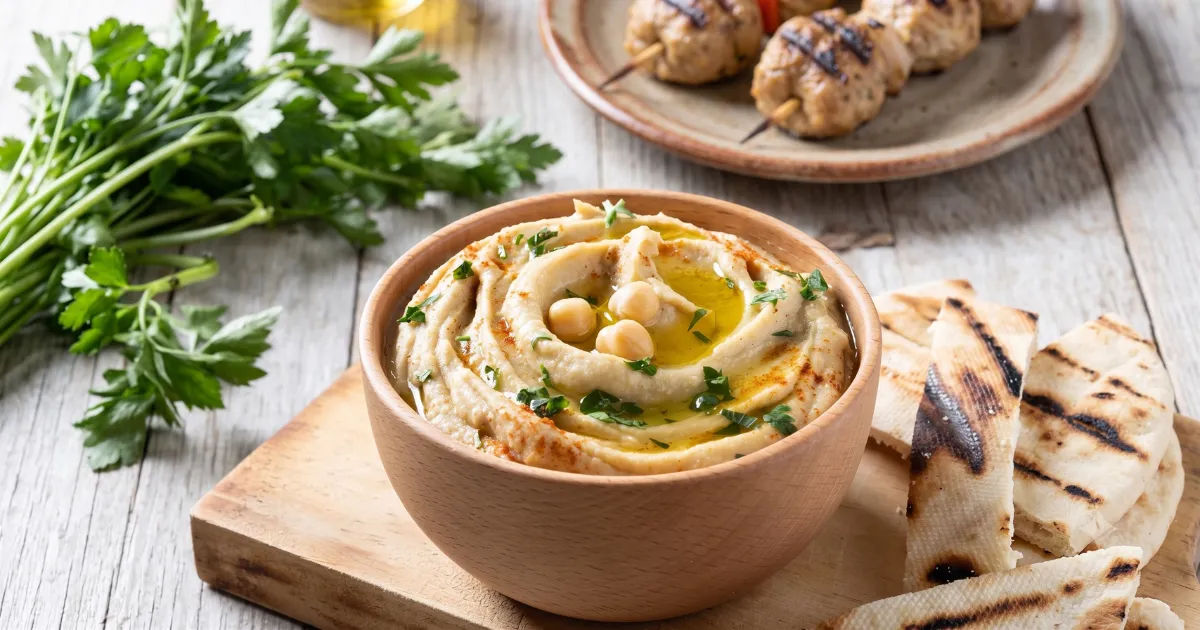
Whether you are planning a family dinner, preparing a holiday feast, or simply looking for healthy snacks, vegan middle eastern appetizers offer countless delicious choices.These dishes are more than just starters. They represent centuries of culinary tradition across countries including Lebanon, Syria, Jordan, Palestine, Turkey, Egypt, and beyond.
Fresh ingredients, simple cooking methods, and balanced flavors make them suitable for almost every occasion.In this comprehensive guide, you will discover what makes vegan Middle Eastern cuisine unique, explore the most popular appetizers, learn serving ideas, understand nutritional benefits, and find helpful tips for preparing authentic dishes at home.
What Makes Middle Eastern Appetizers Special?
Middle Eastern cuisine focuses on fresh, seasonal ingredients that create rich flavors without requiring complicated techniques. Many appetizers are served as part of a mezze spread, where several small dishes are shared among family and friends.
Traditional middle eastern appetizers often include:
-
Chickpeas
-
Lentils
-
Eggplant
-
Fresh parsley
-
Mint
-
Tomatoes
-
Cucumbers
-
Garlic
-
Lemon juice
-
Olive oil
-
Sesame paste
-
Walnuts
-
Pomegranate molasses
-
Sumac
-
Cumin
These ingredients naturally combine to create many satisfying vegan dishes.
Why So Many Middle Eastern Appetizers Are Vegan
One reason vegan recipes are so common is that many traditional meals were built around affordable plant-based ingredients. Beans, grains, vegetables, herbs, and olive oil have been staples for generations.
Benefits include:
-
Rich natural flavors
-
Affordable ingredients
-
High nutritional value
-
Easy preparation
-
Excellent variety
-
Colorful presentation
-
Great for sharing
These qualities have helped Middle Eastern cuisine become popular worldwide.
Hummus
Hummus is one of the most recognized middle eastern appetizers. It is made from chickpeas blended with tahini, garlic, lemon juice, olive oil, and salt.
The creamy texture makes hummus suitable for dipping vegetables, pita bread, crackers, or spreading inside wraps.
Popular variations include:
Classic Hummus
The traditional version emphasizes creamy chickpeas and fresh lemon flavor.
Roasted Red Pepper Hummus
Roasted peppers add sweetness and vibrant color.
Beet Hummus
Beets create a beautiful pink color while adding natural sweetness.
Avocado Hummus
Avocado gives extra creaminess with healthy fats.
Spicy Hummus
Extra chili peppers provide heat without overpowering the traditional flavors.
Baba Ganoush
Baba ganoush is another favorite among middle eastern appetizers.
Instead of chickpeas, roasted eggplant forms the base. The smoky flavor develops during roasting, giving the dip its unique taste.
Ingredients usually include:
-
Eggplant
-
Tahini
-
Garlic
-
Lemon juice
-
Olive oil
-
Parsley
The result is creamy, smoky, and refreshing.
Muhammara
Muhammara is a delicious roasted red pepper dip originating from Syria.
Its ingredients include:
-
Roasted peppers
-
Walnuts
-
Breadcrumbs
-
Olive oil
-
Garlic
-
Pomegranate molasses
-
Aleppo pepper
The flavor combines sweetness, tanginess, nuttiness, and mild spice.
It pairs wonderfully with pita bread and grilled vegetables.
Falafel
Falafel ranks among the most famous middle eastern appetizers around the globe.
Ground chickpeas or fava beans are mixed with herbs and spices before being shaped into balls or patties.
Typical seasonings include:
-
Parsley
-
Cilantro
-
Garlic
-
Onion
-
Coriander
-
Cumin
-
Black pepper
Falafel can be deep-fried, baked, or air-fried for a healthier option.
Stuffed Grape Leaves
Stuffed grape leaves, often called dolmas or warak enab, are filled with seasoned rice and herbs.
The filling usually includes:
-
Rice
-
Parsley
-
Mint
-
Tomatoes
-
Onion
-
Olive oil
-
Lemon juice
These bite-sized rolls are refreshing and served cold or at room temperature.
Tabbouleh
Tabbouleh is a refreshing herb salad that appears frequently alongside middle eastern appetizers.
The ingredients include:
-
Parsley
-
Mint
-
Tomatoes
-
Bulgur wheat
-
Lemon juice
-
Olive oil
-
Green onions
Fresh herbs dominate the salad, making it light and flavorful.
Fattoush
Fattoush is another refreshing salad.
Unlike tabbouleh, it includes crispy toasted or fried pita pieces.
Common vegetables include:
-
Lettuce
-
Tomatoes
-
Cucumbers
-
Radishes
-
Mint
-
Parsley
The dressing features:
-
Olive oil
-
Lemon juice
-
Sumac
The crispy bread adds wonderful texture.
Ful Medames
Ful medames is a hearty fava bean dish that works perfectly as one of many middle eastern appetizers.
The beans are cooked until soft before mixing with:
-
Garlic
-
Lemon juice
-
Olive oil
-
Parsley
-
Cumin
It is satisfying, filling, and protein-rich.
Lentil Salad
Simple lentil salad is nutritious and colorful.
Ingredients often include:
-
Green lentils
-
Tomatoes
-
Cucumbers
-
Parsley
-
Mint
-
Lemon juice
-
Olive oil
It offers excellent protein and fiber.
Roasted Cauliflower
Roasted cauliflower seasoned with Middle Eastern spices creates an excellent appetizer.
Common seasonings include:
-
Cumin
-
Turmeric
-
Paprika
-
Garlic
-
Olive oil
A drizzle of tahini sauce makes it even more flavorful.
Batata Harra
Batata harra is a spicy potato dish popular throughout the Middle East.
Cubed potatoes are roasted or fried before being tossed with:
-
Garlic
-
Cilantro
-
Chili
-
Lemon juice
-
Olive oil
The crispy texture makes this appetizer very satisfying.
Pickled Vegetables
Many middle eastern appetizers include colorful pickled vegetables.
Popular choices include:
-
Turnips
-
Cucumbers
-
Carrots
-
Cauliflower
-
Peppers
These add acidity and crunch that balance richer dishes.
Olive Platters
Olives have long been an important part of Middle Eastern cuisine.
Serving different varieties creates an easy appetizer.
Popular additions include:
-
Lemon slices
-
Fresh herbs
-
Olive oil
-
Chili flakes
Roasted Nuts
Warm roasted almonds, pistachios, and walnuts seasoned with spices provide a crunchy appetizer.
Popular seasonings include:
-
Sumac
-
Paprika
-
Cumin
-
Sea salt
Fresh Vegetable Platters
Fresh vegetables complement creamy dips beautifully.
Excellent choices include:
-
Carrots
-
Cucumbers
-
Bell peppers
-
Celery
-
Cherry tomatoes
-
Radishes
These create healthy, colorful presentations.
Fresh Herbs
Fresh herbs are often served alongside middle eastern appetizers.
Popular herbs include:
-
Mint
-
Parsley
-
Cilantro
-
Dill
The herbs brighten every bite.
Tahini Sauce
Tahini sauce accompanies many vegan appetizers.
It combines:
-
Tahini
-
Lemon juice
-
Garlic
-
Water
-
Salt
The smooth consistency makes it ideal for dipping.
Zaalouk
This eggplant and tomato mixture resembles a chunky dip.
Roasted vegetables combine with:
-
Garlic
-
Olive oil
-
Paprika
-
Cumin
-
Parsley
Serve warm or chilled.
White Bean Dip
White beans create another creamy alternative to hummus.
Blend together:
-
White beans
-
Garlic
-
Lemon
-
Olive oil
-
Rosemary
The flavor is mild yet satisfying.
Spiced Chickpeas
Roasted chickpeas make crunchy snacks.
Season with:
-
Paprika
-
Cumin
-
Garlic powder
-
Salt
-
Olive oil
Bake until crisp.
Middle Eastern Flatbread
Fresh pita or other traditional flatbreads are essential companions for vegan appetizers.
Serve warm alongside dips for the best experience.
Common Spices Used
Middle Eastern cooking depends heavily on aromatic spices.
Frequently used seasonings include:
-
Cumin
-
Coriander
-
Cinnamon
-
Sumac
-
Paprika
-
Turmeric
-
Cardamom
-
Black pepper
Each spice contributes unique depth.
Health Benefits
Vegan middle eastern appetizers provide numerous health advantages.
High in Fiber
Beans, vegetables, and whole grains improve digestion and support overall wellness.
Rich in Plant Protein
Chickpeas, lentils, and beans provide excellent protein sources.
Healthy Fats
Olive oil, walnuts, sesame seeds, and tahini contain heart-friendly fats.
Rich in Vitamins
Fresh herbs and vegetables contribute vitamins A, C, K, and many antioxidants.
Naturally Filling
Fiber and protein help maintain fullness longer.
Building a Vegan Mezze Table
A complete mezze table combines many textures and flavors.
Consider serving:
-
Hummus
-
Baba ganoush
-
Muhammara
-
Falafel
-
Stuffed grape leaves
-
Tabbouleh
-
Fattoush
-
Fresh vegetables
-
Pickled vegetables
-
Warm pita
-
Olives
-
Tahini sauce
Guests can mix and match according to personal preferences.
Tips for Authentic Flavor
Choose extra virgin olive oil for richer taste.
Use freshly squeezed lemon juice.
Roast vegetables thoroughly to deepen flavor.
Use fresh herbs whenever possible.
Toast spices lightly before cooking.
Taste frequently while preparing dips.
Allow flavors to rest before serving.
Easy Homemade Preparation Tips
Most vegan appetizers require simple kitchen equipment.
Helpful tools include:
-
Food processor
-
Blender
-
Sharp knife
-
Mixing bowls
-
Baking tray
Preparing ingredients in advance makes cooking much easier.
Best Occasions to Serve Vegan Middle Eastern Appetizers
These appetizers suit many occasions.
Popular events include:
-
Family dinners
-
Holiday meals
-
Birthday parties
-
Potluck gatherings
-
Summer picnics
-
Barbecues
-
Graduation celebrations
-
Casual lunches
Because they are served in small portions, guests can sample many different dishes.
Common Mistakes to Avoid
Avoid over-processing hummus without enough liquid.
Do not under-season salads.
Use fresh herbs instead of dried whenever possible.
Balance acidity with olive oil.
Roast eggplants until fully softened.
Avoid stale pita bread.
Serve dips at room temperature for better flavor.
How to Store Leftovers
Most dips stay fresh for several days when refrigerated.
Store them in airtight containers.
Fresh salads are best eaten within one or two days.
Falafel can be reheated in the oven or air fryer to restore crispness.
Flatbread should remain sealed to prevent drying.
Why These Appetizers Continue Growing in Popularity
People increasingly appreciate foods that combine nutrition, flavor, and versatility.
Vegan Middle Eastern dishes satisfy all three requirements.
Their ingredients are widely available, recipes are straightforward, and most dishes adapt easily to different dietary needs. They are suitable for vegans, vegetarians, and many individuals seeking healthier eating habits.
Restaurants around the world continue adding these recipes because diners enjoy their vibrant flavors and fresh ingredients.
Conclusion
Vegan Middle Eastern cuisine demonstrates that simple ingredients can produce extraordinary flavors. From creamy hummus and smoky baba ganoush to crispy falafel, refreshing tabbouleh, and flavorful stuffed grape leaves, these dishes showcase the richness of centuries-old culinary traditions. Their emphasis on legumes, vegetables, herbs, olive oil, and aromatic spices creates meals that are nutritious, satisfying, and naturally plant-based.
Whether you are preparing a casual snack, hosting a festive gathering, or building a complete mezze table, vegan Middle Eastern appetizers provide endless opportunities to impress family and friends. Their colorful appearance, balanced nutrition, and authentic flavors make them enjoyable for people of all ages and dietary preferences. By using fresh ingredients, quality olive oil, fragrant herbs, and traditional spices, you can recreate these timeless recipes in your own kitchen and enjoy the warmth and hospitality that Middle Eastern cuisine is famous for.