
Urine tests are one of the most common medical tests used to check overall health, detect infections, and monitor diseases. They are quick, non-invasive, and provide a wide range of information about how the body is functioning.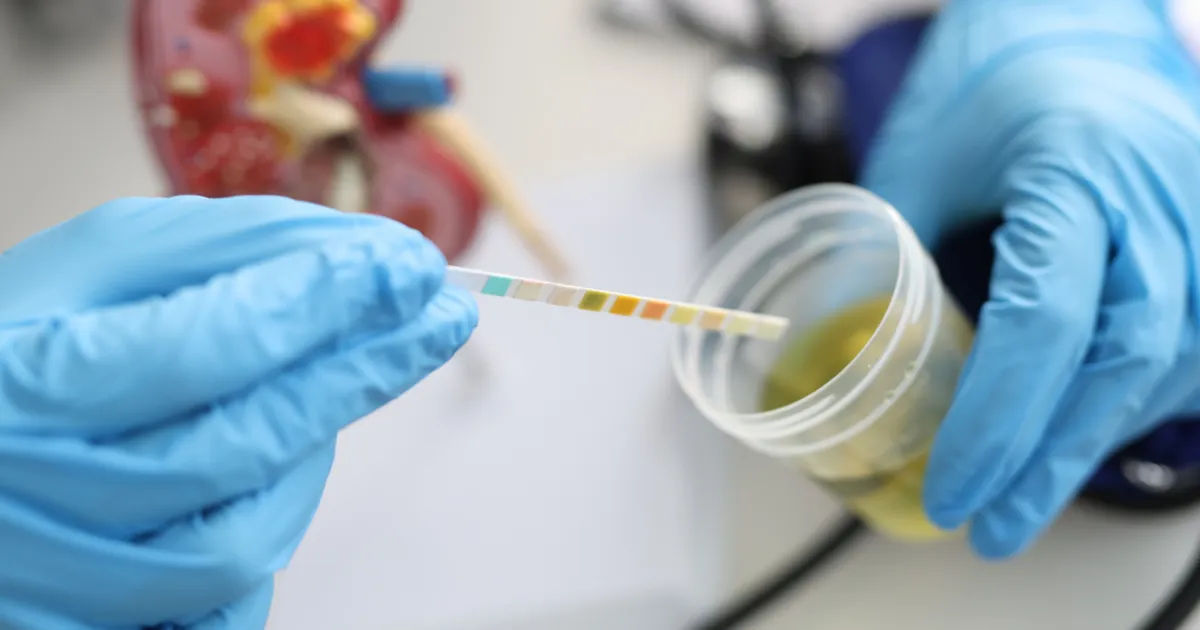
In some discussions about lab testing, people also come across unusual questions like can you freeze urine for a drug test, which often appear in the context of how urine samples are handled and stored before analysis.
Understanding urine test results can feel confusing at first because reports often include medical terms, numbers, and abbreviations. However, once you break them down into simple parts, the results become much easier to understand.
This guide will explain everything step by step in a way that is suitable for a 12th-grade reader.We will explore what urine tests measure, how results are interpreted, what normal and abnormal findings mean, and what factors can affect results.
By the end, you will have a clear understanding of how doctors use urine tests to evaluate health and diagnose conditions. We will also address practical questions such as can you freeze urine for a drug test and can you freeze urine for a drug test in relevant sections to maintain clarity about sample handling.
What Is a Urine Test?
A urine test, also called urinalysis, is a laboratory examination of urine. It helps doctors understand what is happening inside the body without needing invasive procedures. Urine is a waste product made by the kidneys, and it contains water, salts, and chemicals filtered from the blood.
When people ask questions like can you freeze urine for a drug test or can you freeze urine for a drug test, they are usually referring to how urine samples are preserved before testing in controlled environments. However, in medical settings, urine is typically tested soon after collection to ensure accuracy.
Urine tests can detect a wide range of health issues, including urinary tract infections, kidney disease, diabetes, and liver problems. They are also commonly used in routine health checkups and hospital screenings.
There are different types of urine tests, including routine urinalysis, urine culture, and drug screening tests. Each type provides different types of information about the body.
Why Urine Tests Are Important
Urine tests are important because they give a snapshot of your overall health. The kidneys filter waste from the blood, so any changes in urine can reflect changes in the body.
Doctors rely on urine test results to detect diseases early, sometimes even before symptoms appear. For example, small amounts of protein in urine may indicate kidney issues, while glucose in urine may suggest diabetes.
Even though some people may wonder can you freeze urine for a drug test or can you freeze urine for a drug test, medical professionals focus more on accuracy, timing, and proper sample handling rather than storage questions outside clinical guidelines.
Urine testing is also used to monitor ongoing conditions and see whether treatments are working effectively.
Key Components of Urine Test Results
Urine test results are usually divided into three main parts:
- Physical examination
- Chemical analysis
- Microscopic examination
Each section gives different types of information.
In discussions about laboratory procedures, terms like can you freeze urine for a drug test and can you freeze urine for a drug test sometimes appear, but in real medical interpretation, focus remains on measurable biological markers rather than storage speculation.
Physical Examination
This looks at the appearance of urine, including color, clarity, and odor. Normal urine is usually pale yellow and clear. Dark urine may indicate dehydration, while cloudy urine may suggest infection.
Chemical Analysis
This involves testing urine using dipsticks that detect substances like protein, glucose, ketones, and pH levels. Abnormal levels can point to diseases such as diabetes or kidney disorders.
Microscopic Examination
A microscope is used to look for cells, bacteria, crystals, and other particles. This helps confirm infections or other medical conditions.
Physical Properties of Urine
The physical properties of urine include color, clarity, and concentration. These are often the first indicators of health changes.
For example, very dark urine may mean dehydration, while red or pink urine could indicate blood in the urine. Cloudy urine may suggest infection or the presence of white blood cells.
While people sometimes search can you freeze urine for a drug test or can you freeze urine for a drug test, these concerns are unrelated to how physical properties are medically interpreted. Doctors focus on visible changes that reflect internal health conditions.
Chemical Analysis in Urine Testing
Chemical analysis is one of the most important parts of urine testing. It uses reagent strips that change color based on the substances present.
Key substances tested include:
- Protein
- Glucose
- Ketones
- pH level
- Nitrites
Protein in urine may indicate kidney damage. Glucose may suggest diabetes. Ketones can appear during fasting or uncontrolled diabetes.
In some conversations, phrases like can you freeze urine for a drug test and can you freeze urine for a drug test appear when discussing sample handling, but clinically, chemical results depend on immediate biological composition rather than storage speculation.
Microscopic Examination of Urine
Microscopic examination helps identify particles that cannot be seen with the naked eye. This includes red blood cells, white blood cells, bacteria, and crystals.
Red blood cells in urine may suggest injury, infection, or kidney stones. White blood cells often indicate infection. Bacteria confirm urinary tract infections.
Even though some people ask can you freeze urine for a drug test or can you freeze urine for a drug test, microscopic findings are based on what is present in the sample at the time of analysis.
Signs of Infection in Urine Tests
Urine tests are commonly used to detect infections, especially urinary tract infections (UTIs).
Signs of infection include:
- Presence of white blood cells
- Positive nitrites
- Cloudy urine
- Bacteria under microscope
If untreated, infections can spread to the kidneys and cause more serious problems.
In informal discussions, phrases like can you freeze urine for a drug test and can you freeze urine for a drug test may appear, but medical diagnosis depends on lab-confirmed infection markers rather than sample storage discussions.
Kidney Function and Urine Results
The kidneys play a major role in filtering waste from the blood. Urine test results help evaluate how well the kidneys are working.
Abnormal findings like protein, blood, or abnormal creatinine levels may indicate kidney disease or damage.
Doctors carefully analyze these results to detect early kidney problems before symptoms become severe.
Questions such as can you freeze urine for a drug test or can you freeze urine for a drug test sometimes appear online, but kidney function evaluation relies strictly on biological indicators.
Drug Screening and Urine Tests
Urine tests are also widely used for drug screening. These tests detect the presence of certain substances or their metabolites in the body.
Drug tests are commonly used in workplaces, sports, and medical settings.
They can detect substances such as:
- Opioids
- Cannabis
- Amphetamines
- Benzodiazepines
In discussions about testing procedures, people sometimes ask can you freeze urine for a drug test or can you freeze urine for a drug test, but in professional testing environments, strict protocols ensure sample integrity and reliability.
How to Interpret Urine Test Results
Interpreting urine test results involves comparing the findings with normal reference ranges.
Normal results typically mean:
- No infection
- No protein or glucose in urine
- Balanced pH levels
- No abnormal cells
Abnormal results may indicate infection, kidney disease, diabetes, or dehydration.
Understanding results requires looking at the full picture rather than a single value. Even though some individuals mention can you freeze urine for a drug test or can you freeze urine for a drug test, interpretation depends entirely on lab findings, not external assumptions.
Normal vs Abnormal Results
Normal urine results show healthy kidney and metabolic function. Urine is usually clear, pale yellow, and free of harmful substances.
Abnormal results may include:
- Blood in urine
- High protein levels
- Presence of bacteria
- High glucose levels
Each abnormal result requires further testing to identify the underlying cause.
While casual conversations may include phrases like can you freeze urine for a drug test and can you freeze urine for a drug test, medical professionals focus on diagnosing and treating the condition causing the abnormality.
Factors That Affect Urine Test Results
Several factors can influence urine test results:
- Diet
- Medications
- Hydration levels
- Physical activity
- Timing of sample collection
For example, eating certain foods or taking specific medications can change urine color or chemical composition.
Even though some discussions include can you freeze urine for a drug test or can you freeze urine for a drug test, real-world medical testing focuses on these physiological and lifestyle factors instead.
Common Terms in Urine Reports
Urine reports often include medical terms that may seem complex at first:
- Leukocytes: white blood cells
- Nitrites: bacteria indicators
- pH: acidity level
- Specific gravity: concentration of urine
Understanding these terms helps make sense of the report more easily.
In some online contexts, phrases like can you freeze urine for a drug test and can you freeze urine for a drug test appear, but they are not part of standard medical terminology.
When to Worry About Urine Test Results
You should pay attention to urine test results if they show:
- Blood in urine
- Persistent protein levels
- Signs of infection
- Abnormal glucose levels
These may indicate underlying health conditions that need medical attention.
Doctors usually recommend follow-up tests to confirm findings and determine treatment.
Even though informal searches may include can you freeze urine for a drug test or can you freeze urine for a drug test, the real concern should always be understanding abnormal health indicators.
Conclusion
Urine test results provide valuable insights into overall health, kidney function, infection status, and metabolic conditions. By understanding physical, chemical, and microscopic findings, anyone can better interpret what their report means.
While questions like can you freeze urine for a drug test may appear in casual discussions, the true focus of medical interpretation is on biological markers and clinical accuracy. Similarly, can you freeze urine for a drug test is not relevant to how doctors analyze or diagnose health conditions.
Learning how to read urine test results helps individuals take control of their health, recognize early warning signs, and seek timely medical care when needed. With a basic understanding of the terms and values involved, urine test reports become much easier to understand and use as a tool for better health awareness.