
Launching a fashion brand is exciting, but it also comes with many moving parts. One of the most important steps is learning how clothing manufacturers for startups handle samples.
Before mass production begins, samples help test quality, fit, fabric, and design. For a new brand, this process can save money, reduce mistakes, and build confidence before launch.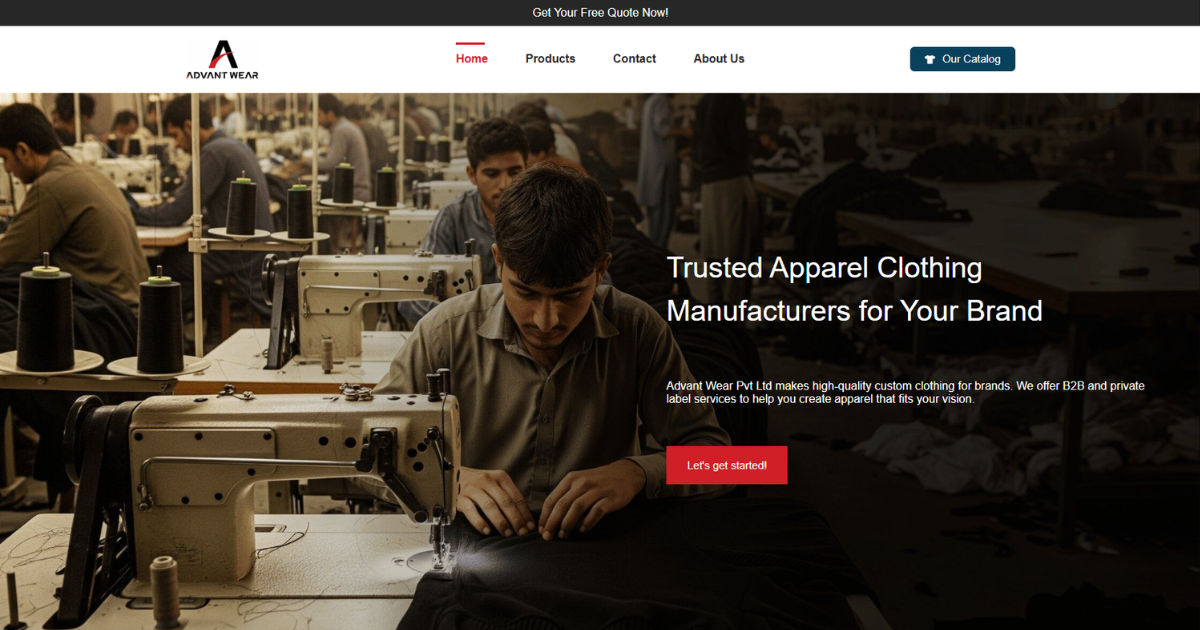
Many founders assume samples are simple. In reality, clothing manufacturers for startups use samples as a roadmap for production. A sample turns your idea into a real product.
It lets you check stitching, sizing, colors, trims, and overall look. Without a strong sample process, startups often face delays, poor quality, or wasted inventory.
This complete guide explains how clothing manufacturers for startups manage samples, what types of samples exist, common costs, timelines, mistakes to avoid, and how startups can get better results.
Why Sampling Matters for New Fashion Brands
Sampling is the bridge between concept and production. Sketches and digital mockups are useful, but they cannot fully show how a garment will feel or fit.
That is why clothing manufacturers for startups begin with samples before approving larger orders.
Samples help startups:
- Test fit and sizing
- Review stitching quality
- Confirm fabric behavior
- Check shrinkage or stretch
- Compare color accuracy
- Improve design details
- Build photos for marketing
- Present products to buyers or investors
For startups with limited budgets, sampling prevents costly production errors. Experienced clothing manufacturers for startups know that one strong sample can prevent hundreds of faulty finished units.
What Is a Clothing Sample?
A clothing sample is a test version of your product made before bulk manufacturing. It can be rough or highly polished depending on the stage.
Most clothing manufacturers for startups create samples in steps. Early versions focus on design. Later versions focus on production readiness.
For example:
- First sample may test shape
- Second sample may fix fit
- Third sample may use final fabric
- Final sample becomes production standard
Each stage gives startups a chance to improve the garment.
Types of Samples Used by Clothing Manufacturers for Startups
Prototype Sample
This is the first physical version of the design. It helps turn your sketch into reality.
Many clothing manufacturers for startups use prototype samples to check:
- Garment structure
- Basic fit
- Design feasibility
- Construction challenges
This sample may not use final fabric.
Fit Sample
Fit samples focus on sizing and body shape. They are tested on models, mannequins, or fit forms.
Reliable clothing manufacturers for startups use fit samples to adjust:
- Sleeve length
- Waist placement
- Shoulder width
- Rise depth
- Garment balance
Fit matters because poor sizing causes returns and bad reviews.
Salesman Sample
These samples are used for photos, trade shows, retail meetings, and pre-orders.
Many clothing manufacturers for startups produce polished salesman samples because they help attract customers before production starts.
Pre-Production Sample
This is one of the most important stages. It uses approved fabric, trims, labels, colors, and measurements.
Professional clothing manufacturers for startups treat this sample as the final approval piece before bulk manufacturing.
Size Set Sample
This includes several sizes from the size range.
Strong clothing manufacturers for startups recommend size sets to ensure grading is accurate across small, medium, large, and more.
Top of Production Sample
This sample is taken from the first units during production.
Many clothing manufacturers for startups use this to confirm that bulk production matches the approved sample.
How the Sample Process Usually Works
Step 1: Share Your Design Idea
You provide:
- Sketches
- Reference photos
- Measurements
- Fabric ideas
- Logo placement
- Labels
- Color preferences
The clearer your information, the easier it is for clothing manufacturers for startups to create accurate samples.
Step 2: Pattern Making
A pattern is the blueprint of the garment.
Skilled clothing manufacturers for startups use patterns to shape every panel of the garment. If the pattern is wrong, fit problems follow.
Step 3: Material Sourcing
The factory chooses or sources fabric, buttons, zippers, thread, labels, and trims.
Many clothing manufacturers for startups help founders find affordable materials with lower minimum order requirements.
Step 4: Cutting and Sewing
Once materials are ready, the garment is cut and sewn into a sample.
Experienced clothing manufacturers for startups often assign skilled sample makers instead of regular production workers.
Step 5: Review and Feedback
You inspect the sample and send comments.
Top clothing manufacturers for startups expect revisions. This is normal and part of development.
Step 6: Final Approval
Once changes are complete, the final sample becomes the production standard.
At this point, clothing manufacturers for startups can move into bulk orders.
How Long Do Samples Take?
Timing depends on design complexity, material availability, and communication speed.
Typical ranges:
- Basic t-shirt: 1–2 weeks
- Hoodie: 2–4 weeks
- Jacket: 3–6 weeks
- Complex fashion item: 4–8 weeks
Many clothing manufacturers for startups move faster when tech packs are clear and fabrics are in stock.
How Much Do Samples Cost?
Samples usually cost more per piece than bulk production because they require manual attention.
Average sample costs:
- Basic tee: $30–$80
- Hoodie: $60–$150
- Dress shirt: $70–$180
- Outerwear: $120–$300+
Some clothing manufacturers for startups refund sample costs after a production order. Others charge separately.
Why Sample Costs Are Higher
New founders often ask why one sample costs more than many finished units.
Reasons include:
- Custom setup time
- Pattern development
- Individual labor
- Material sourcing in small amounts
- Multiple revisions
- No economies of scale
That is why clothing manufacturers for startups price samples differently than production runs.
What Startups Should Send to Manufacturers
To get better results, send organized information.
Helpful items:
- Technical sketch
- Front and back views
- Measurements chart
- Fabric type
- Color codes
- Print artwork
- Stitching notes
- Packaging ideas
The best clothing manufacturers for startups can work from simple ideas, but detailed files reduce mistakes.
What Is a Tech Pack?
A tech pack is a product instruction sheet.
It often includes:
- Flat sketches
- Measurements
- Fabric details
- Label placement
- Construction notes
- Colorways
- Trim list
Many clothing manufacturers for startups prefer tech packs because they speed up sample development.
Common Sample Problems and Fixes
Poor Fit
This happens when measurements are unclear.
Solution: Give precise specs. Trusted clothing manufacturers for startups can also suggest standard sizing charts.
Wrong Fabric
Sometimes the garment shape changes because fabric behaves differently.
Solution: Ask clothing manufacturers for startups for swatches before sampling.
Color Differences
Screen colors may not match real dye lots.
Solution: Use Pantone references with clothing manufacturers for startups.
Slow Revisions
Delayed responses create delays.
Solution: Reply quickly and clearly to clothing manufacturers for startups.
Bad Stitching
This may happen with rushed sample rooms.
Solution: Choose experienced clothing manufacturers for startups with strong quality control.
How Many Sample Rounds Are Normal?
Most products need 2 to 4 rounds.
Typical path:
- First concept sample
- Fit correction sample
- Material correction sample
- Final approval sample
Good clothing manufacturers for startups know revisions are part of development, not failure.
How Startups Can Save Money on Samples
Sampling can become expensive, so manage wisely.
Tips:
- Start with one hero product
- Keep designs simple at first
- Use stock fabrics
- Combine revisions into one message
- Approve details quickly
- Avoid changing designs mid-process
Smart founders work closely with clothing manufacturers for startups to reduce unnecessary rounds.
Domestic vs Overseas Sampling
Domestic Manufacturers
Pros:
- Easier communication
- Faster shipping
- Easier visits
- Better legal clarity
Many local clothing manufacturers for startups are ideal for premium or low-volume brands.
Overseas Manufacturers
Pros:
- Lower labor cost
- Larger capacity
- More fabric options
Global clothing manufacturers for startups can be strong partners when communication systems are solid.
Red Flags During Sampling
Watch for these warning signs:
- Slow replies for weeks
- No clear pricing
- Refusal to revise mistakes
- Poor workmanship
- Missed deadlines repeatedly
- Confusing communication
Reliable clothing manufacturers for startups are transparent and solution-focused.
How to Review a Sample Properly
Do not just look at it. Test it carefully.
Checklist:
- Wear it
- Wash it
- Stretch it
- Inspect seams
- Check labels
- Measure dimensions
- Compare to tech pack
- Photograph flaws
Successful brands trust but verify with clothing manufacturers for startups.
Samples for Marketing Before Launch
Many startups use samples for:
- Product photography
- Social media teasers
- Influencer seeding
- Pre-orders
- Trade fairs
- Investor meetings
This is why polished samples from clothing manufacturers for startups are valuable beyond production.
Building a Strong Manufacturer Relationship
Treat the manufacturer like a partner.
Best practices:
- Be respectful
- Pay on time
- Give clear notes
- Stay organized
- Avoid constant changes
- Plan realistic timelines
Long-term trust helps clothing manufacturers for startups prioritize your brand as you grow.
When to Approve Production
Approve only when:
- Fit feels correct
- Fabric is approved
- Color matches expectations
- Branding is right
- Construction is clean
- Measurements are accurate
Smart clothing manufacturers for startups never rush clients into production without approval.
How Startups Scale After Sampling
Once the sample is approved, startups can move into:
- Small batch production
- Launch drops
- Seasonal collections
- Wholesale outreach
- Repeat orders
- New colorways
Many successful labels began with one sample and one great relationship with clothing manufacturers for startups.
Mistakes Startups Should Avoid
Avoid these common errors:
- Starting production without a sample
- Ignoring fit issues
- Choosing cheapest option only
- Sending vague instructions
- Changing designs too late
- Skipping wash tests
- Ordering too much inventory
Strong clothing manufacturers for startups often guide founders away from these mistakes.
Detailed Conclusion
Understanding how clothing manufacturers for startups handle samples can make the difference between a smooth launch and an expensive setback. Samples are not just trial garments. They are decision-making tools that protect your budget, improve product quality, and build trust in your brand.
The best clothing manufacturers for startups use a structured process: design review, pattern making, sourcing, sewing, revisions, and final approval. Each step helps turn an idea into a product customers will actually want to wear. For new brands, patience during sampling is often more valuable than speed.
Instead of seeing samples as a cost, view them as an investment. A well-made sample helps with fit, quality, branding, photography, and future production. It can also help attract buyers and early customers.
As your business grows, your relationship with clothing manufacturers for startups becomes even more important. Choose partners who communicate clearly, respect deadlines, and welcome revisions. Start small, learn from every sample round, and improve with each product.
In the end, successful fashion startups do not guess their way into production. They build carefully through smart sampling. When you understand how clothing manufacturers for startups handle samples, you give your brand a stronger chance to launch, grow, and compete.