
The field of photonics has experienced remarkable innovations, particularly in the advancement of different modulators that play crucial duties in many optical applications. Among these, fiber acousto-optic modulators (AOMs) and their numerous variants, such as space AOMs and free-space AOMs, stick out because of their versatility and efficiency. An acousto-optic modulator makes use of acoustic waves to regulate the intensity, frequency, or stage of light going through a tool, supplying a reliable method for pulse modulation. With the expanding need for high-resolution and accuracy applications, these devices have actually ended up being integral in locations like telecommunications, medical imaging, and clinical study.
One of the most popular features in laser modern technology is ultra-narrow linewidth, commonly related to single-frequency lasers. These lasers create light with an extremely narrow spooky size, making them perfect for various detailed applications, including systematic interaction systems and high-resolution spectroscopy. A fiber-coupled AOM, which incorporates the AOM right into a fiber optic system, gives smooth coupling with single-frequency fiber lasers. This combination shows the fad in the direction of increased compactness and efficacy in optical systems without sacrificing efficiency.
The utility of fiber optic delay lines can not be overstated, particularly in making advanced optical systems that call for exact timing and synchronization. These delay lines harness the intrinsic residential properties of optical fibers to handle light signals properly, enabling designers and scientists to explore high-speed information transmission or detailed timing explores minimal loss of integrity. The electric fiber optics delay line serves as a main component in this context, assisting in the manipulation of light signals to match specific requirements.
Explore acousto optic switch the current innovations in photonics, concentrating on the critical duty of fiber acousto-optic modulators in boosting laser applications, telecommunications, and accuracy optical systems for diverse sectors.
Modulators are crucial in laser systems, playing a vital function in changing continual wave outputs into pulse formats. Acousto-optic Q-switch modulators serve this specific function, enabling rapid modulation of laser results, which causes high-peak power pulses. This ability is vital in applications such as material handling, where precision and rate are crucial. The option in between an AOM and an electro-optic modulator (EOM) often arises in conversations surrounding modulation methods. While both serve the key function of pulse modulation, an AOM generally exhibits higher optical power handling capabilities and faster changing times contrasted to EOMs, making AOMs especially beneficial in high-energy laser applications.
The distinction between acousto-optic buttons and modulators is a critical facet of recognizing just how these devices operate in different situations. Acousto-optic buttons effectively reroute light beams, hence enabling different routing functionalities within optical systems. In contrast, a modulator readjusts the light’s buildings, directly affecting the light beam’s qualities. This distinction marks their corresponding functions in laser systems and highlights the variety of applications each device provides to.
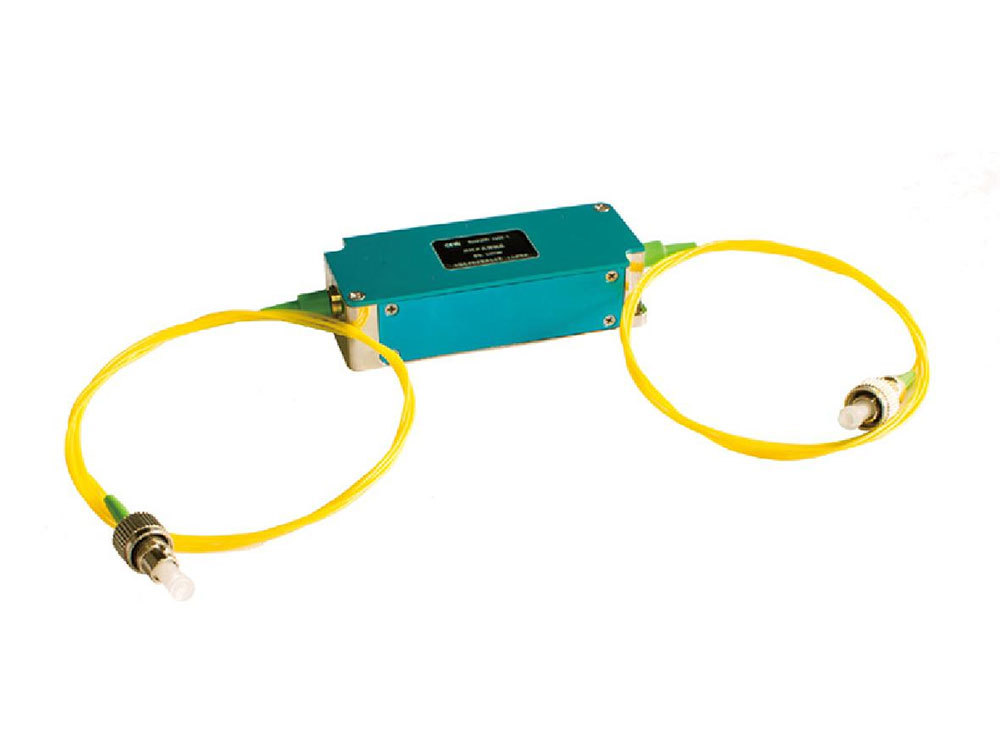
Acousto-optic devices have significantly acquired grip in the market, driven by the escalating need for advanced optical modern technologies. The acousto-optic modulator market is witnessing considerable development due to applications in telecoms, army systems, and commercial manufacturing.
Narrow linewidth fiber lasers show secure exhaust with minimal spooky spread, catering to applications in fiber-optic interactions and sensing modern technologies. Combining these fibers with advanced modulators allows researchers to explore brand-new frontiers in optical communication systems.
Acoustic optical deflectors add to the flexibility of optical systems, using a method to adjust light dynamically and effectively by utilizing acoustic waves as the managing device. Such devices can be found in different applications, from laser scanning systems to sophisticated imaging methods. By making use of the principles of acousto-optics, these deflectors help in accomplishing precise and rapid modifications in the light beam’s trajectory without the requirement for complicated mechanical components.
In exploring the kinds of pulse modulation, one recognizes the intricacies and range intrinsic in the field. Pulse modulation methods, such as pulse-width modulation (PWM) and pulse-position modulation (PPM), permit manipulation of light based upon exhaust to create differing signal types. These methods cultivate advancements in electronics and photonics, from regulating laser outcomes to enhancing the performance of fiber optic systems.
Further consideration of optical passive components discloses their vital duty in enhancing system reliability. Their contribution to overall system efficiency is essential, mainly when integrated with modulators and various other vibrant optical devices.
The growing emphasis on space applications stresses the requirement for reliable and robust optical systems that can work properly in extreme conditions. Space acousto-optic modulators, in certain, accommodate the special needs of space objectives, where variables such as radiation exposure and temperature level fluctuations can considerably influence performance. The development of space-grade acousto-optic devices guarantees that interaction and data collection remain undisturbed in the rough settings of space.
Acousto-optic Q-switching stands for one of one of the most efficient techniques of producing high-energy pulses, essential for applications varying from laser marking to clinical procedures. The modulation capacities intrinsic in AOMs enable them to adjust to differing demands, enhancing pulse period and energy result. They give a cutting-edge path to raise laser applications throughout diverse fields.
As we dig further right into the future of photonics, it comes to be progressively clear that technology in laser modulators and acousto-optic technologies is pivotal. The innovations in modulator drivers enhance the performance with which EOMs and aoms operate, enabling much faster and a lot more reputable efficiency. The crossover between growths in modulation and the boosting demand for greater transmission capacity and lower latency in communication systems suggests a future abundant with chances for strengthened optical interactions.
Recognizing the essential mechanics that underpin acoustic optical modulators will certainly bring about exceptional design and efficiency enhancements as study proceeds to thrive. The expedition of new products, assimilations, and strategies in locations like micro-nano manufacture will likely yield devices with also finer control and extended functional life times. These improvements not just assure boosted capability for existing systems but invite completely new applications within arising modern technologies in quantum computer, robotics, and progressed production.
In summary, the domain name of acousto-optic modulators and relevant fiber-optic technologies symbolizes quick progression and complexity, working as foundational elements within many modern optical applications. With the expanding need for precision and high efficiency in different sectors, the development of acousto-optic devices, such as fiber AOMs, remains to advance, adapting to new challenges and chances. As designers and researchers press the boundaries of technology, these devices will stay main to forming the future of optical interaction, laser applications, and beyond, declaring a new period of technical development.