
If you have an unwanted vehicle sitting in your driveway or garage, car removal in Geelong is one of the safest and most convenient ways to clear valuable space while earning money for your old car. Whether your vehicle is damaged, no longer roadworthy, or simply too expensive to repair, removing it safely requires careful planning.
From gathering ownership documents to choosing a trusted car removal in geelong service, every step plays an important role in protecting your safety, your finances, and the environment. Many people delay getting rid of old vehicles because they are unsure where to begin. Fortunately, the process is much easier than it seems when you understand the correct approach.
This guide explains everything you need to know about removing an old car safely in Geelong, including preparation, legal considerations, environmental responsibilities, and tips for choosing a reliable removal company.
Why Remove an Old Car?
Keeping an old vehicle for years may seem harmless, but it often creates more problems than benefits. Older vehicles become expensive to maintain, occupy valuable space, and may even become safety hazards.
Some common reasons for removing an old car include:
- Frequent mechanical failures
- High repair costs
- Accident damage
- Rust and corrosion
- Failed roadworthy inspection
- Registration expiry
- Upgrading to a newer vehicle
- Poor fuel efficiency
Rather than spending thousands on repairs, many vehicle owners prefer professional removal services that collect unwanted vehicles directly from their property.
Signs It Is Time to Remove Your Old Car
Recognizing when your vehicle has reached the end of its useful life can save both time and money.
Repair Costs Exceed the Vehicle's Value
One of the biggest warning signs is when repairs cost more than the vehicle itself. Spending large amounts on an aging car rarely provides long-term value.
Constant Breakdowns
If your vehicle regularly leaves you stranded or requires frequent mechanic visits, it may no longer be reliable enough for daily use.
Severe Rust
Rust weakens the frame, suspension, and body panels. Structural rust can make a vehicle unsafe to drive.
Safety Problems
Faulty brakes, worn suspension, damaged steering components, and electrical issues all increase driving risks.
Long-Term Storage
Vehicles left unused for months or years often develop problems such as:
- Dead batteries
- Fuel contamination
- Flat tires
- Engine deterioration
- Rodent damage
These repairs can quickly become more expensive than the vehicle is worth.
Benefits of Safe Old Car Removal
Choosing a professional removal process offers many advantages.
Free Up Space
Old vehicles often occupy garages, driveways, or yards that could be used for parking, storage, or outdoor living.
Improve Property Appearance
A damaged or rusting vehicle can reduce the overall appearance of your home.
Earn Instant Cash
Many removal companies pay cash depending on the vehicle's age, condition, weight, and recyclable materials.
Protect the Environment
Professional dismantling ensures hazardous materials are disposed of responsibly.
Eliminate Safety Risks
Old vehicles can leak fluids, attract pests, or become dangerous for children playing nearby.
Preparing Your Car Before Removal
Preparing your vehicle makes the removal process smoother and helps prevent future issues.
Remove Personal Belongings
Check every part of the vehicle, including:
- Glove compartment
- Centre console
- Boot
- Door pockets
- Under seats
- Sun visor compartments
Many owners discover important documents or valuables they forgot were inside.
Gather Vehicle Documents
You should have:
- Registration papers
- Identification
- Proof of ownership
- Service records if available
Although requirements vary, having documentation speeds up the process.
Remove Number Plates
Depending on local regulations, you may need to remove your number plates before handing over the vehicle.
Cancel Registration
If your vehicle is still registered, contact the relevant transport authority to cancel registration if required.
Notify Your Insurance Company
Cancel your insurance policy once ownership has been transferred.
How Professional Car Removal Works
The process is usually straightforward.
Request a Quote
Provide details such as:
- Make
- Model
- Year
- Condition
- Location
The company estimates your vehicle's value.
Accept the Offer
If satisfied with the quote, arrange a pickup time.
Vehicle Collection
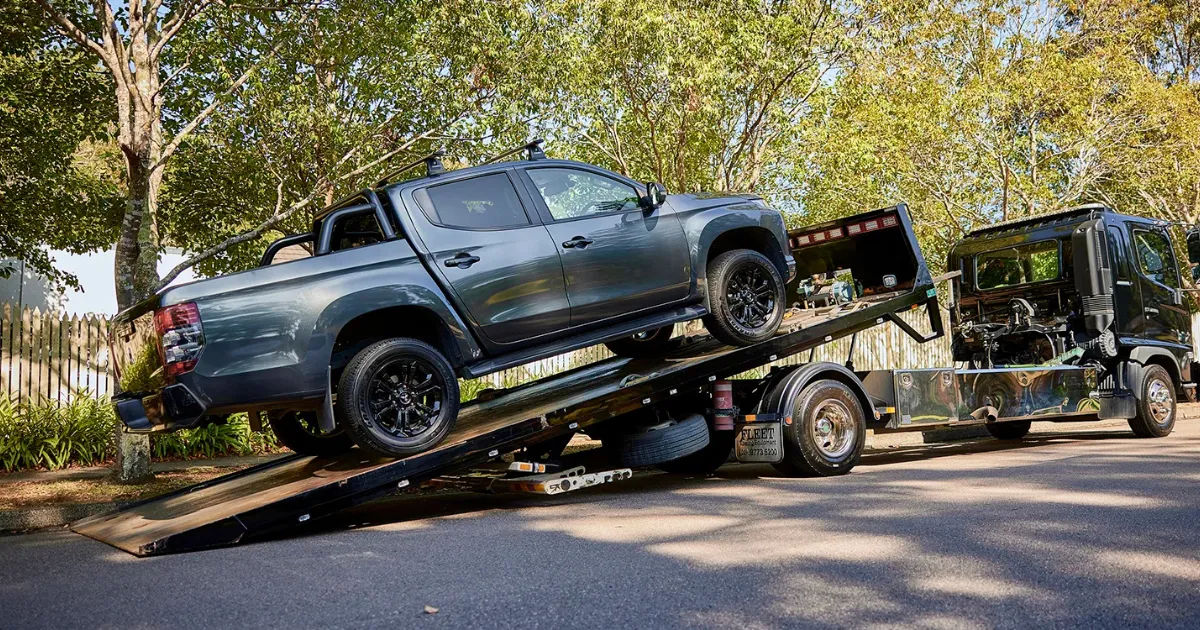
A tow truck arrives at your property and loads the vehicle safely.
Payment
Payment is generally completed during collection after ownership verification.
Responsible Recycling
The vehicle is transported to a dismantling or recycling facility where usable parts are removed before recycling the remaining materials.
Why Professional Removal Is Safer
Attempting to remove an old vehicle yourself can create unnecessary risks.
Heavy Equipment
Old vehicles require specialized towing equipment.
Fluid Handling
Cars contain:
- Engine oil
- Brake fluid
- Transmission fluid
- Coolant
- Fuel
- Air conditioning refrigerants
Improper handling can cause pollution.
Battery Disposal
Vehicle batteries contain hazardous chemicals that require professional recycling.
Airbag Safety
Improper dismantling can accidentally deploy airbags.
Professional operators understand how to handle these systems safely.
Environmental Benefits
Responsible vehicle recycling plays a significant role in environmental protection.
Metal Recycling
Most vehicles consist primarily of steel and aluminum.
These metals are recycled into new products, reducing mining demand.
Fluid Recovery
Professional facilities safely recover and dispose of hazardous liquids.
Parts Reuse
Working components such as:
- Engines
- Alternators
- Starters
- Doors
- Mirrors
- Wheels
can often be refurbished and reused.
Reduced Landfill Waste
Vehicle recycling significantly reduces waste entering landfill sites.
Choosing the Right Removal Company
Not every company offers the same level of service.
Look for Experience
Companies with years of industry experience generally have better equipment and trained staff.
Read Customer Reviews
Online reviews provide insight into reliability and professionalism.
Confirm Free Towing
Many reputable providers include towing at no additional charge.
Ask About Payment
Understand how payment will be made before scheduling collection.
Verify Licensing
Choose businesses that follow local environmental and recycling regulations.
Common Mistakes to Avoid
Many vehicle owners unintentionally complicate the removal process.
Forgetting Personal Items
Always inspect every storage compartment carefully.
Accepting the First Offer
Comparing multiple quotes can help you understand market value.
Ignoring Paperwork
Ownership documentation helps avoid legal complications.
Delaying Removal
Old vehicles continue deteriorating over time, often reducing their value.
Safety Tips Before Collection
Preparing the area around your vehicle improves safety during pickup.
Clear the Driveway
Remove obstacles around the vehicle.
Keep Children Away
Tow trucks use heavy lifting equipment that requires a safe working area.
Inform the Driver About Damage
Mention flat tires, locked steering, missing wheels, or severe accident damage beforehand.
Can Damaged Cars Be Removed?
Yes.
Professional removal companies usually accept:
- Accident-damaged vehicles
- Flood-damaged vehicles
- Fire-damaged cars
- Non-running cars
- Rusted vehicles
- Scrap vehicles
- Commercial vehicles
- SUVs
- Utes
- Vans
Condition rarely prevents removal.
Understanding Vehicle Recycling
After collection, several recycling stages occur.
Inspection
Vehicles are assessed for reusable parts.
Fluid Drainage
Hazardous fluids are safely removed.
Parts Removal
Reusable components are carefully dismantled.
Crushing
Remaining metal structures are compressed.
Material Recycling
Steel, aluminum, plastics, and glass are separated for recycling.
This process conserves valuable natural resources.
Financial Benefits of Removing an Old Vehicle
Holding onto an unwanted vehicle often costs more than expected.
You may continue paying for:
- Registration
- Insurance
- Parking
- Maintenance
- Repairs
Removing the vehicle eliminates these ongoing expenses.
How Long Does Removal Take?
The process is surprisingly fast.
Many companies can:
- Provide quotes within minutes.
- Schedule same-day or next-day pickup.
- Complete loading within 20 to 40 minutes.
Preparation beforehand helps everything run smoothly.
Questions to Ask Before Booking
Before choosing a removal provider, ask:
- Is towing free?
- How is payment made?
- What documents are required?
- Are there hidden fees?
- How quickly can collection occur?
- Will you handle damaged vehicles?
- Do you recycle responsibly?
These questions help avoid misunderstandings.
Tips to Maximize Your Vehicle's Value
Although old cars have limited market value, several factors may improve your offer.
Provide Accurate Information
Describe your vehicle honestly.
Include Complete Details
Mention:
- Engine condition
- Registration status
- Accident history
- Missing parts
Keep Original Components
Vehicles with complete original parts are often worth more.
Remove Personal Accessories Only
Avoid removing factory-installed components that contribute to recycling value.
Is DIY Car Removal a Good Idea?
Many people consider dismantling vehicles themselves.
However, this approach has several drawbacks.
Safety Hazards
Heavy parts can cause serious injuries.
Environmental Risks
Improper disposal of oil and chemicals contaminates soil and waterways.
Legal Responsibilities
Vehicle disposal must follow environmental regulations.
Limited Equipment
Professional operators use hydraulic lifting equipment and specialized tow trucks.
For most owners, professional car removal in Geelong is the safer and more practical option.
The Importance of Responsible Disposal
Responsible disposal benefits everyone.
It reduces pollution, conserves natural resources, and ensures hazardous materials never enter the environment. Recycling also supports manufacturing industries by providing reusable metals and components.
Choosing ethical vehicle recycling helps build a cleaner and more sustainable community.
Final Checklist Before Removal
Before handing over your vehicle, make sure you have:
- Removed personal belongings
- Gathered ownership documents
- Cancelled insurance if required
- Removed number plates if necessary
- Collected spare keys
- Confirmed payment details
- Cleared access for the tow truck
Completing these steps helps avoid unnecessary delays.
Conclusion
Removing an old vehicle does not have to be stressful when you follow the proper process. Choosing professional car removal in Geelong services allows you to dispose of unwanted vehicles safely, legally, and responsibly while often receiving immediate payment. Instead of allowing an old car to deteriorate further and occupy valuable space, taking action today can improve your property, eliminate ongoing maintenance costs, and contribute to environmental sustainability.
Whether your vehicle has been damaged in an accident, failed mechanical inspections, or simply reached the end of its lifespan, working with experienced removal professionals ensures every stage is handled correctly. From safe towing and documentation to environmentally responsible recycling, the entire process is designed to protect both vehicle owners and the community. By preparing your vehicle properly and selecting a trustworthy service provider, you can enjoy a smooth, hassle-free experience while making the most of your unwanted vehicle through car removal in Geelong.