
Emergency roof tarping is one of the fastest ways to protect a damaged home after storms, leaks, or sudden roof failures. Emergency roof tarping is often used as a temporary solution to prevent water damage until permanent repairs can be made.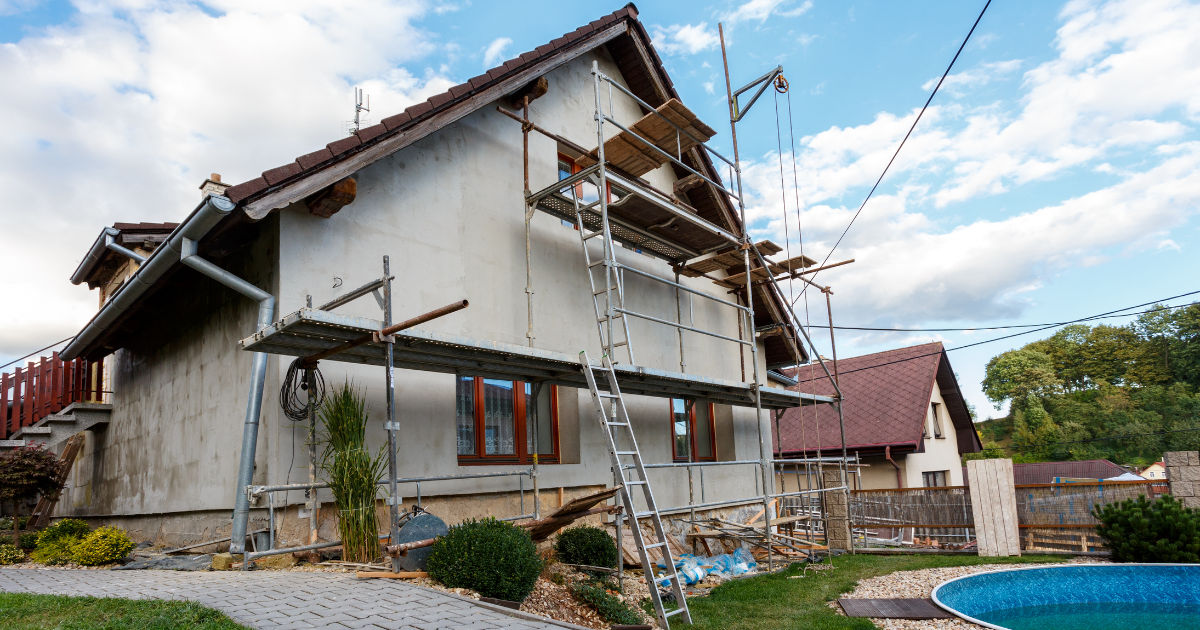
In this guide, we will explain exactly when Emergency roof tarping is safe, when it should not be used, and how homeowners can apply it correctly without putting themselves at risk.
Understanding Emergency roof tarping is important because using it at the wrong time can cause accidents or make roof damage worse.
However, when conditions are right, Emergency roof tarping can save your home from costly structural damage, mold growth, and interior destruction. Many homeowners rely on Emergency roof tarping after storms, especially when immediate professional help is not available.
In simple terms, Emergency roof tarping is a temporary waterproof covering placed over damaged roof areas. It acts as a shield against rain, wind, and debris.
But the safety of Emergency roof tarping depends on weather conditions, roof stability, and personal safety. Throughout this guide, we will break down everything step-by-step so you know exactly when and how Emergency roof tarping should be used.
What is Emergency Roof Tarping and Why It Is Used
Emergency roof tarping refers to covering a damaged roof with a heavy-duty waterproof tarp to prevent further damage. It is commonly used after storms, hail, falling trees, or fire damage. The goal of Emergency roof tarping is not to fix the roof permanently but to stop immediate water intrusion.
Homeowners often choose Emergency roof tarping because it is quick, affordable, and effective in urgent situations. A properly installed Emergency roof tarping system can protect insulation, ceilings, electrical systems, and furniture from water damage.
However, it is important to understand that Emergency roof tarping is only a short-term solution. It should never replace proper roof repair. The main purpose of Emergency roof tarping is to stabilize the situation until professionals can perform full restoration work.
When done correctly, Emergency roof tarping can prevent thousands of dollars in repair costs. But when done incorrectly or at the wrong time, Emergency roof tarping can increase safety risks.
When Emergency Roof Tarping is Safe to Use
Knowing the right conditions for Emergency roof tarping is extremely important for safety. The safest time to use Emergency roof tarping is when the weather has calmed down after a storm. Strong winds or active rain make Emergency roof tarping dangerous.
It is safe to perform Emergency roof tarping when the roof structure is stable enough to support weight. If the roof is not collapsing or severely weakened, Emergency roof tarping can be applied safely with proper precautions.
Dry or slightly damp conditions are best for Emergency roof tarping because surfaces become less slippery. You should also ensure there are no electrical hazards before starting Emergency roof tarping.
Another safe situation for Emergency roof tarping is when only partial roof damage has occurred. If damage is limited to shingles or small holes, Emergency roof tarping is generally safe and effective.
Professional guidance can also determine if Emergency roof tarping is safe. In many cases, experts inspect the roof first before performing Emergency roof tarping to avoid accidents.
When Emergency Roof Tarping is NOT Safe
There are situations where Emergency roof tarping should not be attempted. One of the most dangerous conditions is during active storms. High winds can make Emergency roof tarping extremely risky and may cause falls or injuries.
If the roof structure is severely damaged or collapsing, Emergency roof tarping should not be used. In such cases, the roof may not support weight, making Emergency roof tarping unsafe.
Wet, icy, or slippery conditions also make Emergency roof tarping dangerous. Slipping while performing Emergency roof tarping is one of the most common causes of injury.
Electrical hazards are another major concern. If water has reached electrical wiring, Emergency roof tarping should only be done by professionals.
Finally, if you do not have proper safety equipment, Emergency roof tarping should not be attempted. Safety harnesses, stable ladders, and proper footwear are essential before starting Emergency roof tarping.
Safety Checklist Before Emergency Roof Tarping
Before starting Emergency roof tarping, a safety checklist should always be followed. First, inspect the weather conditions. If wind speeds are high, Emergency roof tarping should be delayed.
Second, check the roof from the ground before attempting Emergency roof tarping. Look for missing sections, sagging areas, or visible structural damage.
Third, ensure you have proper tools and safety gear for Emergency roof tarping. This includes gloves, a harness, and a stable ladder.
Fourth, confirm that the roof surface is stable enough for Emergency roof tarping. If you feel unsure, it is better to wait for professional help rather than risk injury during Emergency roof tarping.
Fifth, make sure someone is present to assist you. Never attempt Emergency roof tarping alone if the roof is steep or damaged.
Following this checklist greatly increases the safety of Emergency roof tarping and reduces the risk of accidents.
Tools and Materials Needed for Emergency Roof Tarping
Proper tools are essential for safe and effective Emergency roof tarping. The most important material is a heavy-duty waterproof tarp. This is the main component of Emergency roof tarping and should be strong enough to withstand wind and rain.
You will also need roofing nails or screws for Emergency roof tarping installation. These help secure the tarp tightly over the damaged area.
A hammer or power drill is required for proper Emergency roof tarping attachment. Without secure fastening, Emergency roof tarping can easily blow away in strong winds.
Safety equipment is equally important for Emergency roof tarping. This includes a safety harness, non-slip shoes, and gloves.
A ladder is also necessary for accessing the roof during Emergency roof tarping. It must be stable and placed on even ground to prevent accidents.
Having the right tools ensures that Emergency roof tarping is not only effective but also safe for the person performing it.
Step-by-Step Guide to Emergency Roof Tarping
The first step in Emergency roof tarping is inspecting the damaged area. Identify where water is entering and how large the affected section is.
Next, measure and cut the tarp for Emergency roof tarping so that it fully covers the damaged area with extra overlap.
Then carefully place the tarp over the damaged section. This is a critical step in Emergency roof tarping because proper placement ensures full protection.
After positioning, secure the tarp using nails or screws. Proper fastening is key in Emergency roof tarping to prevent wind from lifting the material.
Finally, check all edges and corners to ensure the Emergency roof tarping is tightly sealed. Any loose areas should be reinforced immediately.
Following these steps correctly ensures that Emergency roof tarping provides maximum protection until permanent repairs are done.
Professional vs DIY Emergency Roof Tarping
Many homeowners wonder whether they should do Emergency roof tarping themselves or hire professionals. DIY Emergency roof tarping can be suitable for small and simple roof damage.
However, professional Emergency roof tarping is always safer for steep roofs, large damage areas, or multi-story buildings.
Professionals have experience in handling Emergency roof tarping in dangerous conditions and use advanced safety equipment.
DIY Emergency roof tarping may save money, but it increases risk if the person is inexperienced. Incorrect Emergency roof tarping installation can lead to leaks or wind damage.
In most cases, hiring experts for Emergency roof tarping is recommended when safety is uncertain.
Common Mistakes in Emergency Roof Tarping
One common mistake in Emergency roof tarping is using thin or low-quality tarps. These can tear easily and fail to protect the roof.
Another mistake is improper fastening during Emergency roof tarping, which allows wind to lift the tarp.
Many people also ignore safety rules during Emergency roof tarping, leading to falls or injuries.
Incorrect size measurement is another issue in Emergency roof tarping, resulting in exposed roof areas.
Finally, delaying professional repair after Emergency roof tarping can lead to long-term damage. Remember, Emergency roof tarping is only temporary.
Weather Conditions and Emergency Roof Tarping
Weather plays a major role in Emergency roof tarping safety. Calm and dry weather is ideal for installation.
Strong winds make Emergency roof tarping dangerous because tarps can act like sails.
Rain can also make Emergency roof tarping surfaces slippery, increasing risk of falls.
Cold or icy weather is another concern for Emergency roof tarping, as it reduces grip and stability.
Always check the weather forecast before attempting Emergency roof tarping to ensure safe working conditions.
Final Thoughts on Safety and Emergency Roof Tarping
Understanding safety conditions is the most important part of Emergency roof tarping. While it is a useful emergency solution, it must only be used in safe and controlled situations.
Improper use of Emergency roof tarping can lead to accidents, roof damage, or wasted effort. Always assess weather, roof stability, and equipment before starting Emergency roof tarping.
When done correctly, Emergency roof tarping protects your home from water damage and gives you time to arrange permanent repairs. But when conditions are unsafe, it is always better to wait for professionals rather than risk injury during Emergency roof tarping.
Proper knowledge and preparation ensure that Emergency roof tarping remains a reliable temporary solution during roof emergencies.
Conclusion
In conclusion, Emergency roof tarping is safe to use only under specific conditions such as stable weather, secure roof structure, and proper safety preparation. It should never be attempted during storms, on unstable roofs, or without proper equipment. Throughout this guide, we have explained when Emergency roof tarping is safe, when it is dangerous, and how to apply it correctly for temporary protection.
The key takeaway is that Emergency roof tarping is not a permanent fix but a short-term emergency measure designed to protect your home from further damage. When used responsibly, Emergency roof tarping can prevent serious water intrusion and reduce repair costs. However, safety must always come first before performing Emergency roof tarping.
By understanding the right conditions and following proper steps, homeowners can use Emergency roof tarping effectively and safely until permanent roof repairs are completed.