
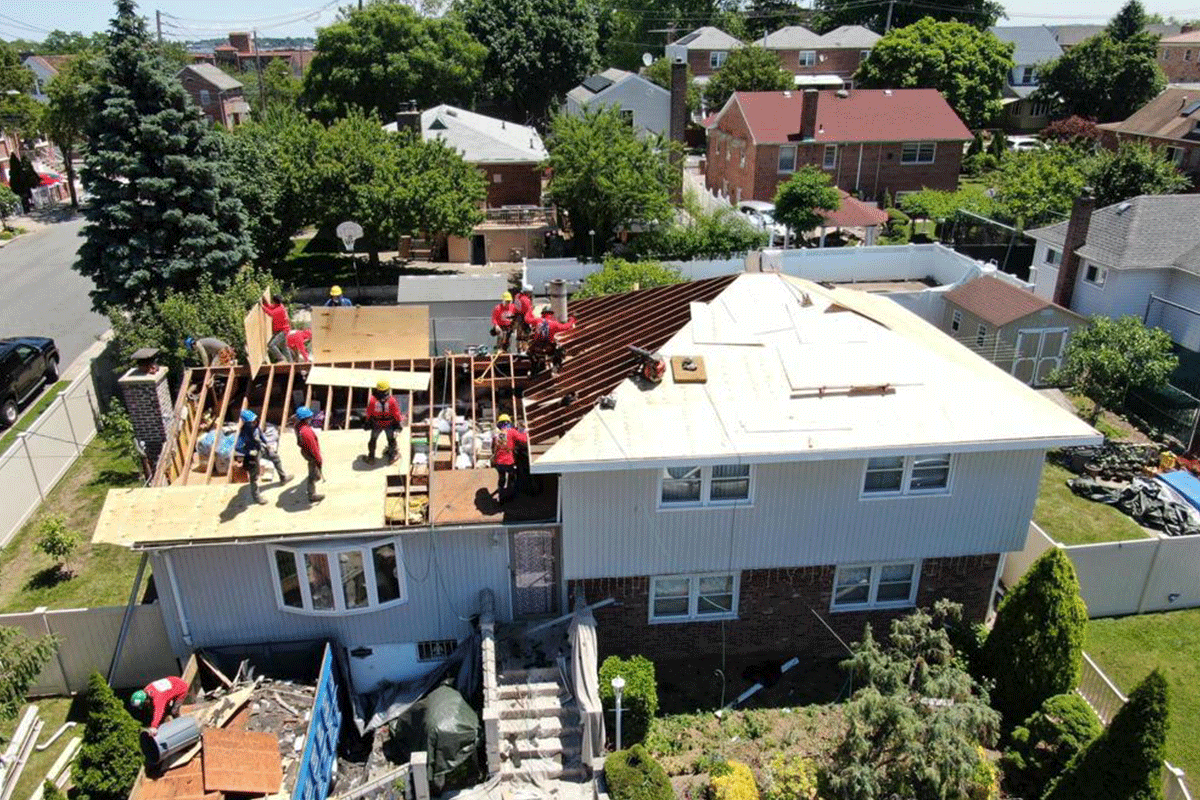
Your roof serves as your home s first line of defence against the elements, but it also bears the brunt of nature s forces. Weather conditions can take a serious toll on roofing materials, leading to wear and tear that often requires repair or even replacement. Understanding how different types of brave regard your roof is material for homeowners who want to prevent dearly-won repairs and sustain the life-time of their roof. roof replacement.
Let s research how various brave conditions bear on the health of your roof and what stairs you can take to turn to brave-related .
Rain and Storms
Rain is a park cause of roof damage, especially when it s accompanied by high winds or storms. Over time, continual rainfall can weaken roofing materials and lead to leaks.
-
Water Intrusion: Water is one of the most substantial threats to roofing systems. Prolonged to wet, particularly through disreputable zoster or flashing, can cause leaks that the interior of your home, including walls, ceilings, and insulation. If left unaddressed, water intrusion can also lead in mold increment and morphologic issues.
-
Wind Damage: Strong winds can lift zoster or tiles off the roof, leaving subjacent layers uncovered to rain. Once these materials are compromised, water can seep underneath, causation more to your roof. In areas unerect to storms or hurricanes, this can be a shop relate.
-
Gutter Clogs: Rainstorms often lead to gutter blockages when leaves and dust wash down from the roof. Clogged gutters can cause irrigate to pool on the roof or brim over, contributing to irrigate damage in the loft or initiation.
What You Can Do:
-
Inspect your roof after heavily rain or storms to check for lost or damaged zoster.
-
Ensure gutters and downspouts are of debris to prevent irrigate backup.
Snow and Ice
Snow and ice are John R. Major contributors to winter roof , particularly in colder climates. The weight of snow and the freeze and warming cycles can be particularly damaging to roofs.
-
Ice Dams: Ice dams happen when snow on the roof melts and then refreezes at the edge of the roof, forming a roadblock of ice. This prevents water from exhausting decent, causation it to back up under the herpes zoster and seep into the put up. Ice dams can lead in leaks and significant interior .
-
Heavy Snow Accumulation: The weight of snow on a roof can be overpowering, especially if it scores up over time. This excess weight can cause roof lax or even in extreme cases, particularly in roofs that aren t studied to subscribe heavily snow.
-
Freezing Temperatures: In freezing temperatures, roofing materials become brittle and can or break off more well when subjected to the try of snow, ice, or wind.
What You Can Do:
-
Remove snow from the roof using a roof rake, but be troubled not to herpes zoster.
-
Install roof heating cables to keep ice dams by keeping the roof surface warm.
-
Ensure that your attic is decently insulated and airy to prevent heat from escaping and melting snow untimely.
Heat and Sun Exposure
While snow and rain are provable culprits, heat and place sun can also play a substantial role in roof debasement.
-
UV Damage: Prolonged to the sun s UV rays can cause roofing materials, such as asphalt herpes zoster, to take down over time. This leads to crispiness, crack, and attenuation, qualification the roof more vulnerable to from sequent brave events.
-
Thermal Shock: Extreme temperature fluctuations can lead to thermal traumatize, where the roof materials expand and contract apace. This continual expanding upon and can cause cracks and undermine the roof, especially if there are pre-existing issues.
-
Heat-related Wear: In areas with hot summers, the pure heat can cause the roof s rise to devolve faster. For example, mineral pitch herpes zoster can soften in the heat, causation them to lose their caring granules, which are necessity for resisting UV damage.
What You Can Do:
-
Opt for heat-resistant roofing materials if you live in an area with extreme point temperatures.
-
Regularly visit your roof for signs of wear, such as curling zoster or roughened tiles, which are common signs of UV damage.
-
Consider applying a roof finishing that reflects UV rays to broaden the lifespan of your roof.
Hailstorms
Hailstorms can be one of the most erosive endure events for roofs. Depending on the size and hurry of the hailstones, the can range from minor cosmetic issues to John R. Major biology damage.
-
Shingle Damage: Hailstones can crack, dent, or reposition zoster, leaving the roof weak to irrigate . This type of is often not seeable until after a rainstorm, when leaks start to appear.
-
Granule Loss: Hailstones can cause asphalt herpes zoster to lose their protective granules, qualification them more susceptible to UV damage and shortening their life-time.
What You Can Do:
-
After a hailstorm, inspect your roof for signs of , such as missing granules or cracked shingles.
-
If you go through sponsor hailstorms, consider instalmen bear on-resistant roofing materials to understate potency .
Conclusion: Preparing Your Roof for the Elements
Weather is an unavoidable factor out in the wear and tear of your roof. Understanding how various conditions whether it’s rain, snow, heat, or hail involve the wholeness of your roof can help you make privy decisions about maintenance and repairs.
To assure your roof is prepared for dynamical brave, habitue inspections are key. Catching small issues early on can keep more costly damage later on. If you live in an area prostrate to extreme point brave conditions, consider investment in long-wearing, weather-resistant materials that can resist the elements.
Ultimately, maintaining a warm, well-repaired roof is an investment funds in the refuge and console of your home, no matter to the season.