
In today’s digital world, artificial intelligence is no longer just about solving math problems or automating tasks. It is evolving into something much more human-like—something that can understand emotions, respond with empathy, and build meaningful interactions. This is where the concept of an Emotional Ai companion comes in.
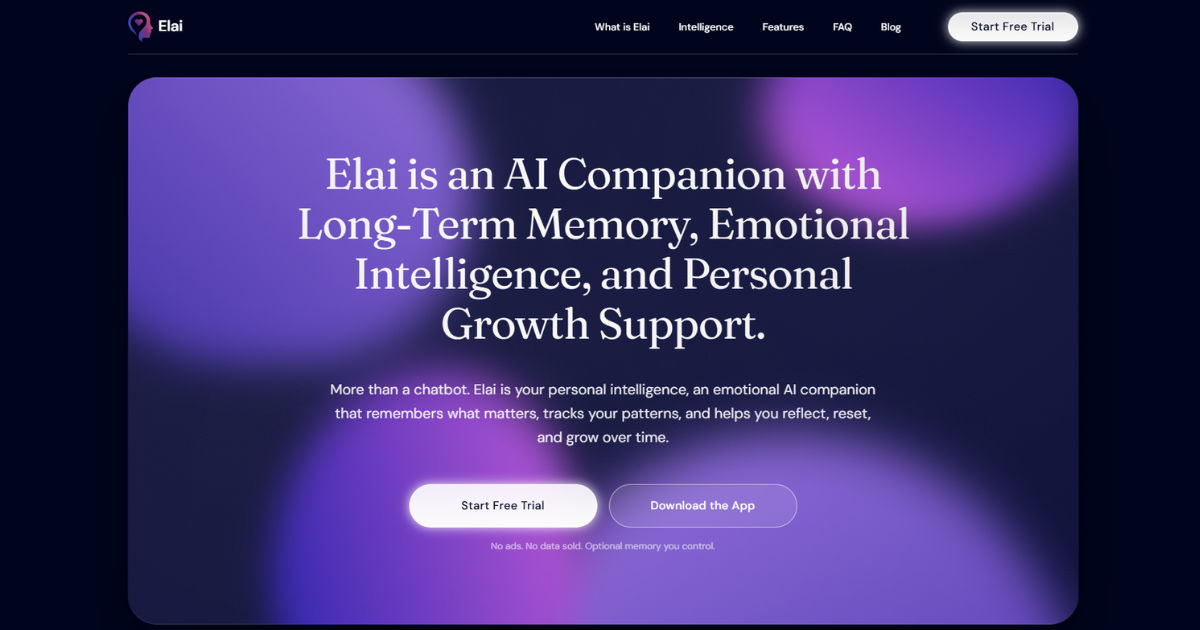 An Emotional Ai companion is designed to simulate human-like conversations by recognizing feelings, responding thoughtfully, and adapting to a user’s emotional state.
These systems go beyond simple chatbots. They aim to create connections, offer support, and even build long-term relationships with users.
As technology advances, the behavior of an Emotional Ai companion is becoming more refined and realistic. But what exactly defines this behavior? How does it work? And why is it becoming so important in our daily lives?
This comprehensive guide explores everything you need to know about emotional AI companion chat behavior in a simple and easy-to-understand way.
Understanding Emotional AI Companion Chat Behavior
What Is Emotional AI?
Emotional AI, also known as affective computing, is a branch of artificial intelligence that focuses on recognizing, interpreting, and responding to human emotions. An Emotional Ai companion uses this technology to interact with users in a more personal and meaningful way.
Instead of giving robotic responses, it tries to understand how you feel. For example, if you say you’re sad, the AI might respond with comforting words or ask what’s bothering you.
What Is Chat Behavior?
Chat behavior refers to how an AI communicates with users. For an Emotional Ai companion, this includes:
- Tone of voice (friendly, supportive, calm)
- Choice of words
- Timing of responses
- Ability to remember past conversations
- Emotional awareness
Together, these elements create a natural and engaging conversation experience.
Key Features of Emotional AI Companion Behavior
Emotion Recognition
One of the most important features of an Emotional Ai companion is its ability to recognize emotions. It does this by analyzing:
- Text (words you type)
- Sentence structure
- Tone and context
For example, if you type “I feel really tired and stressed,” the AI identifies stress and responds accordingly.
Personalized Responses
An Emotional Ai companion learns from past interactions. Over time, it understands your preferences, mood patterns, and communication style.
This allows it to:
- Use your name
- Refer to past conversations
- Offer personalized advice
This makes conversations feel more natural and human-like.
Empathy Simulation
Empathy is the ability to understand and share someone’s feelings. While AI doesn’t truly feel emotions, an Emotional Ai companion can simulate empathy by:
- Using supportive language
- Acknowledging feelings
- Offering encouragement
For example:
“I understand how difficult that must be for you. I’m here to listen.”
Context Awareness
An Emotional Ai companion doesn’t just respond to one message at a time. It understands the context of a conversation.
This means it can:
- Follow long conversations
- Stay on topic
- Avoid repeating itself
Context awareness makes interactions smoother and more meaningful.
How Emotional AI Companions Work
Natural Language Processing (NLP)
NLP allows an Emotional Ai companion to understand human language. It helps the AI:
- Interpret sentences
- Detect meaning
- Identify emotions
Machine Learning
Machine learning enables the Emotional Ai companion to improve over time. It learns from:
- User interactions
- Feedback
- Data patterns
The more you talk to it, the better it becomes at responding.
Sentiment Analysis
Sentiment analysis is a key tool used by an Emotional Ai companion to determine whether a message is:
- Positive
- Negative
- Neutral
This helps the AI decide how to respond appropriately.
Types of Emotional AI Companion Chat Behavior
Supportive Behavior
A supportive Emotional Ai companion focuses on helping users during difficult times. It may:
- Offer comforting words
- Suggest relaxation techniques
- Encourage positive thinking
Friendly Behavior
Some users prefer casual conversations. A friendly Emotional Ai companion may:
- Use humor
- Share fun facts
- Engage in light-hearted chat
Motivational Behavior
A motivational Emotional Ai companion helps users stay focused and inspired. It may:
- Set goals
- Provide encouragement
- Celebrate achievements
Informational Behavior
An Emotional Ai companion can also provide useful information while maintaining an emotional tone. For example:
“You seem worried about your exam. Let me help you with some study tips.”
Benefits of Emotional AI Companion Chat Behavior
Emotional Support
An Emotional Ai companion can provide comfort during stressful or lonely moments. It is available 24/7, making it a reliable source of support.
Improved Mental Well-Being
Talking to an Emotional Ai companion can help users:
- Express feelings
- Reduce stress
- Feel heard and understood
Accessibility
Not everyone has access to therapy or emotional support. An Emotional Ai companion offers a simple and accessible alternative.
Personalized Interaction
Because it learns from you, an Emotional Ai companion provides a unique experience tailored to your needs.
Challenges of Emotional AI Companion Behavior
Lack of True Emotions
Even though an Emotional Ai companion can simulate empathy, it does not actually feel emotions. This can sometimes make responses seem artificial.
Misinterpretation
An Emotional Ai companion may misunderstand complex emotions or sarcasm, leading to incorrect responses.
Privacy Concerns
Since an Emotional Ai companion collects data to improve interactions, users may worry about privacy and data security.
Overdependence
Some users may become too reliant on an Emotional Ai companion, reducing real human interaction.
Real-Life Applications
Mental Health Support
Many platforms use an Emotional Ai companion to provide basic mental health support. While not a replacement for professionals, it can help users manage stress and anxiety.
Customer Service
Businesses use an Emotional Ai companion to improve customer experience by responding with empathy and understanding.
Education
In education, an Emotional Ai companion can:
- Motivate students
- Provide personalized learning support
- Reduce study stress
Companionship
For people who feel lonely, an Emotional Ai companion offers conversation and connection.
Future of Emotional AI Companion Chat Behavior
The future of the Emotional Ai companion looks promising. As technology improves, we can expect:
Better Emotion Detection
Future systems will be able to detect emotions more accurately, even from subtle cues.
Voice and Facial Recognition
An Emotional Ai companion may use voice tone and facial expressions to understand emotions better.
Deeper Personalization
AI companions will become more personalized, adapting to individual personalities and preferences.
Integration with Daily Life
An Emotional Ai companion may become part of everyday devices, helping users throughout the day.
Ethical Considerations
Transparency
Users should know when they are interacting with an Emotional Ai companion and not a human.
Data Protection
Protecting user data is essential for building trust in an Emotional Ai companion.
Responsible Use
Developers must ensure that an Emotional Ai companion is used ethically and does not manipulate users.
Tips for Using Emotional AI Companions Effectively
- Be honest in your conversations
- Use it as a support tool, not a replacement for real relationships
- Protect your personal information
- Set healthy boundaries
Using an Emotional Ai companion wisely can enhance your experience and provide meaningful support.
Conclusion
The rise of the Emotional Ai companion marks a major step forward in artificial intelligence. These systems are transforming how humans interact with technology by making conversations more human-like, empathetic, and engaging.
Emotional AI companion chat behavior is built on advanced technologies like natural language processing, machine learning, and sentiment analysis. These tools allow an Emotional Ai companion to understand emotions, respond appropriately, and build meaningful interactions over time.
While there are challenges such as lack of true emotions and privacy concerns, the benefits are significant. From providing emotional support to improving mental well-being, an Emotional Ai companion has the potential to positively impact millions of lives.
As technology continues to evolve, the behavior of an Emotional Ai companion will become even more advanced, realistic, and integrated into daily life. However, it is important to use these tools responsibly and maintain a balance between AI interaction and real human connections.
In the end, an Emotional Ai companion is not just a tool—it is a new way of experiencing communication in the digital age.